









What's Happening?
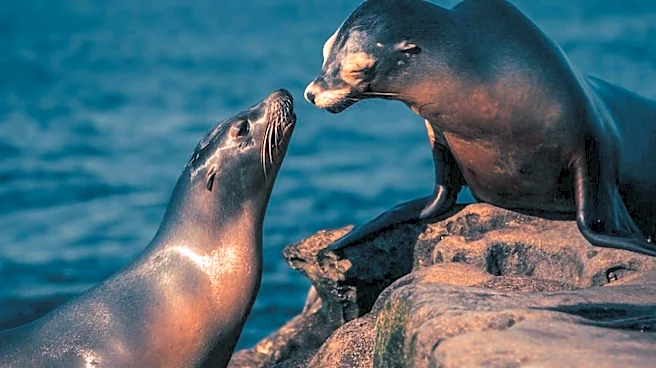
California is bracing for a powerful El Niño this winter, which, combined with an ongoing marine heat wave, could lead to a significant increase in starving sea lion pups washing ashore. The Marine Mammal Care Center in San Pedro, which typically rescues
hundreds of marine mammals annually, fears a repeat of the 2013-2016 period. During that time, an El Niño event and an ocean heat wave known as 'the Blob' resulted in thousands of malnourished California sea lion pups stranding on beaches. The primary concern is the impact on upwelling, a natural process where cold, nutrient-rich water rises to the surface, providing abundant food for marine life. El Niño and marine heat waves can disrupt this process, reducing food availability, especially for young animals.
Why It's Important?
The potential for mass strandings of sea lion pups highlights the vulnerability of marine ecosystems to climate phenomena and underscores the critical role of organizations like the Marine Mammal Care Center. A surge in distressed animals would strain rescue and rehabilitation resources, requiring increased funding, volunteer efforts, and public awareness. Beyond the immediate welfare of the animals, such events serve as stark indicators of broader environmental changes, including ocean warming and altered food webs. These ecological shifts can have long-term consequences for marine biodiversity and the health of coastal environments, impacting everything from fisheries to tourism. The situation also emphasizes the interconnectedness of global climate patterns and local ecological impacts.
What's Next?
Marine mammal rehabilitators are preparing for a potential influx of patients, with the effects possibly becoming apparent in winter, spring, or later. In addition to malnourishment, areas further north, from Monterey to Sonoma counties, are already seeing dozens of sea lions suffering from domoic acid poisoning, a toxin produced by algae blooms fueled by warm waters. This dual threat of starvation and poisoning presents a complex challenge for rescue efforts. Organizations will likely increase their monitoring of coastal areas, mobilize volunteers, and seek additional resources to manage the anticipated increase in rescues. Public awareness campaigns may also be launched to educate beachgoers on how to report distressed animals and avoid interfering with rescue operations.
Beyond the Headlines
The recurring issue of sea lion strandings due to environmental factors points to a larger narrative about climate change and its accelerating impact on marine life. These events are not isolated incidents but symptoms of systemic changes in ocean conditions. The struggle of young sea lions to find food reflects a disruption in the delicate balance of marine food chains, which could eventually affect other species, including those vital to human economies. The ethical dimension of human responsibility towards wildlife in the face of climate change also comes to the forefront, prompting questions about conservation strategies, sustainable practices, and the long-term viability of marine ecosystems. The resilience of these species, and the capacity of human intervention to mitigate harm, will be severely tested in the coming months.