





What's Happening?
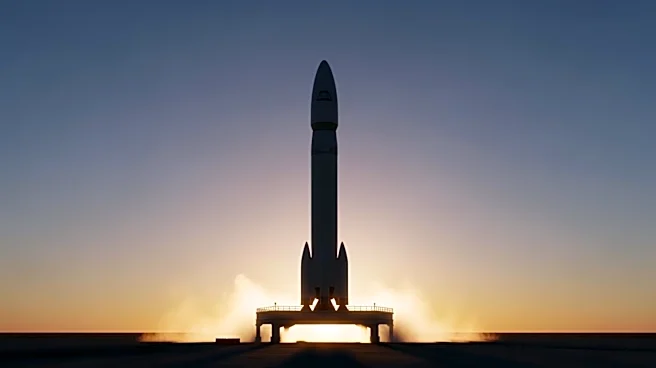
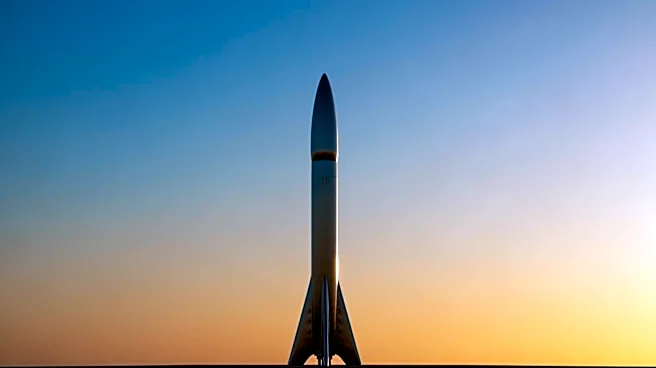
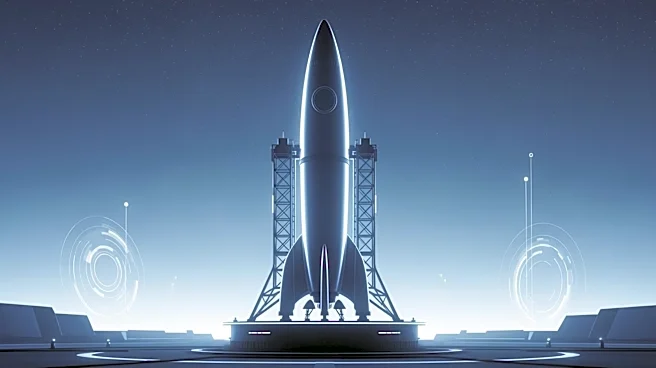
SpaceX is preparing to launch its upgraded Starship V3 rocket on May 19, 2026, from its Starbase headquarters in Texas. This will be the 12th flight of the Starship series, following a seven-month gap since the last test flight. The new version of the rocket,
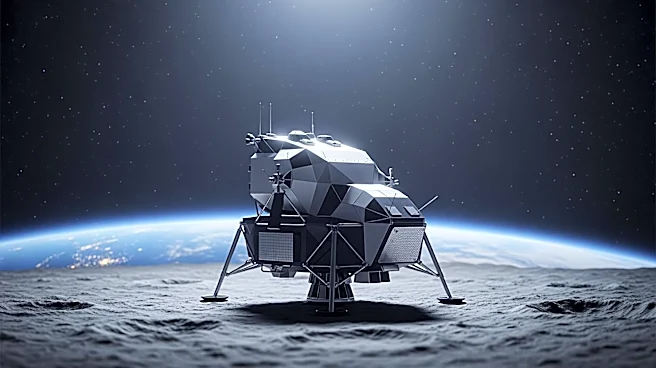
which is four feet taller than its predecessor, features significant redesigns aimed at enhancing its power and reusability. The upgrades include more powerful Super Heavy boosters and Raptor engines, designed to provide greater thrust and carry more fuel for extended missions. The upcoming launch is part of SpaceX's efforts to meet NASA's requirements for the Artemis program, which aims to return humans to the moon.
Why It's Important?
The launch of Starship V3 is crucial for SpaceX as it seeks to demonstrate the rocket's capabilities for long-duration missions and its potential for rapid reuse. This is particularly significant for NASA's Artemis program, which relies on SpaceX to provide lunar landers. The success of this launch could solidify SpaceX's role in future space exploration missions, including potential manned missions to Mars. The advancements in rocket technology also have broader implications for the aerospace industry, potentially lowering costs and increasing the frequency of space travel.
What's Next?
Following the launch, SpaceX will likely focus on further testing and refining the Starship V3's capabilities, particularly its ability to refuel in orbit, a critical component for long-distance space missions. The company will also continue to work on meeting NASA's qualifications for crewed flights, which include successful uncrewed moon landings and safe returns to lunar orbit. The outcome of these tests will be pivotal in determining SpaceX's future role in NASA's Artemis missions and other space exploration endeavors.