








What's Happening?
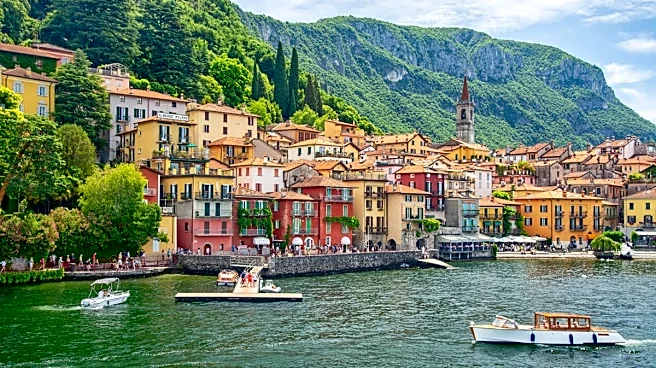
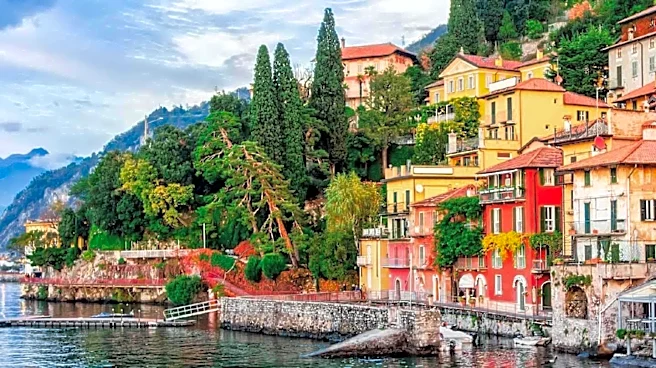
The Italian village of Varenna, located by Lake Como, has implemented new regulations to address concerns over tourists wearing swimwear in public areas. As of June 27, tourists found wandering the town in bikinis or with bare chests can be fined between
€50 and €200, approximately $57 to $228. This measure is part of amendments to the urban police regulations aimed at preserving the town's appearance and ensuring the comfort of its residents. Varenna, a small fishing village with a population of 650, attracts hundreds of thousands of tourists annually. The local authorities have also capped tour group sizes to 25 people and imposed fines for the use of loudspeakers, further emphasizing the need for respectful tourism practices.
Why It's Important?
The enforcement of these regulations highlights the growing tension between tourism and local quality of life in popular destinations. Varenna's decision reflects a broader trend in Italy, where other tourist hotspots like Sorrento and Portofino have introduced similar measures to combat overtourism. These actions are significant as they aim to balance the economic benefits of tourism with the preservation of local culture and community well-being. The fines and restrictions could influence tourist behavior, potentially leading to a more respectful and sustainable tourism model. However, they also pose challenges for the tourism industry, which must adapt to these new regulations while maintaining visitor satisfaction.
What's Next?
As Varenna and other Italian towns continue to enforce these regulations, it is likely that more destinations will adopt similar measures to manage the impact of tourism. The effectiveness of these rules in preserving local culture and improving resident satisfaction will be closely monitored. Tourist behavior may shift as visitors become more aware of the expectations and potential penalties. Additionally, the tourism industry may need to adjust its offerings and marketing strategies to align with these new regulations, potentially focusing on promoting cultural and respectful tourism experiences.