




What's Happening?
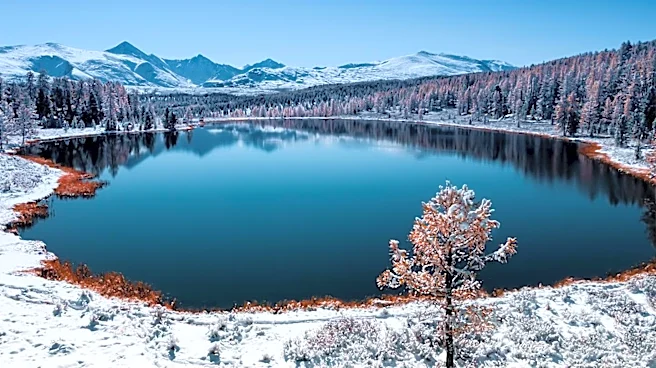
The Middle East is experiencing a significant increase in eco-tourism, particularly through high-altitude winter travel. This growth is driven by a rising demand for environmentally responsible travel experiences and a strategic investment by countries
like Saudi Arabia in sustainable tourism initiatives. These initiatives prioritize ecological stewardship and economic diversification. Key practices gaining traction include the use of wind- and solar-powered marine vessels, the promotion of non-motorized water sports, and incentive programs for car-free zones. The region is actively developing and highlighting destinations that adhere to eco-friendly principles, aiming to attract travelers seeking authentic, low-impact experiences that support both environmental preservation and local communities. This shift reflects a broader global trend towards more conscious and sustainable travel choices.
Why It's Important?
The surge in eco-tourism in the Middle East holds significant importance for the global tourism industry and environmental conservation efforts. For the U.S. travel market, it signals a growing preference among consumers for sustainable options, potentially influencing U.S. travel agencies and tour operators to expand their eco-friendly offerings. Economically, the Middle Eastern investment in sustainable tourism can create new markets and partnerships for U.S. businesses specializing in renewable energy solutions, eco-friendly infrastructure, and sustainable travel technology. Environmentally, these initiatives contribute to global conservation goals by promoting practices that reduce carbon footprints, protect biodiversity, and support local ecosystems. The emphasis on community-based tourism also offers a model for responsible development that benefits local populations, potentially inspiring similar approaches in other regions, including parts of the U.S. with fragile ecosystems or indigenous communities.
What's Next?
Looking ahead, the Middle East is expected to continue expanding its eco-tourism infrastructure and offerings. This will likely involve further development of sustainable accommodations, transportation, and recreational activities. We can anticipate increased collaboration between governments, private sector entities, and local communities to ensure the long-term viability and authenticity of these eco-tourism destinations. There may also be a push for international certifications and standards to validate the sustainability claims of these new ventures. For U.S. travelers and businesses, this means more opportunities for responsible travel to the region and potential avenues for investment and partnership in the burgeoning sustainable tourism sector. The success of these initiatives could also set precedents for other regions grappling with the challenges of balancing tourism growth with environmental protection.
Beyond the Headlines
The rise of eco-tourism in the Middle East, particularly in high-altitude winter settings, represents more than just a travel trend; it signifies a deeper cultural and economic transformation. It challenges traditional perceptions of the region, often associated with oil wealth, by showcasing a commitment to environmental sustainability and diversification. This shift could foster greater cross-cultural understanding as travelers engage more directly with local communities and their conservation efforts. Ethically, it raises questions about ensuring that the benefits of eco-tourism are equitably distributed among local populations and that indigenous knowledge is respected and integrated into conservation strategies. The long-term success of these initiatives will depend on robust regulatory frameworks, continuous monitoring of environmental impact, and genuine community involvement, setting a precedent for how large-scale tourism development can align with global sustainability goals.