





What's Happening?
The United States Department of Agriculture (USDA) has officially designated Marshall and Rutherford counties in Tennessee as natural disaster areas. This designation, announced on November 16, 2026, is a direct response to severe drought conditions experienced
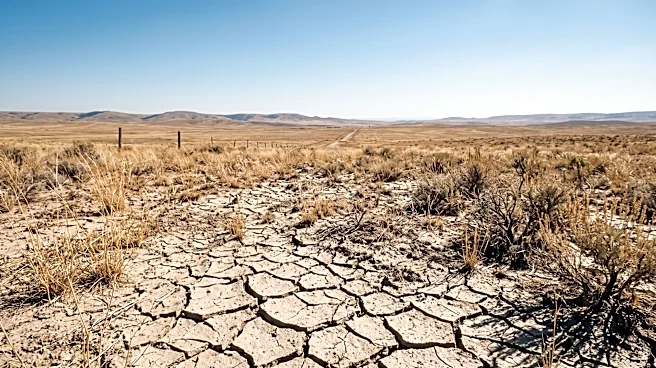
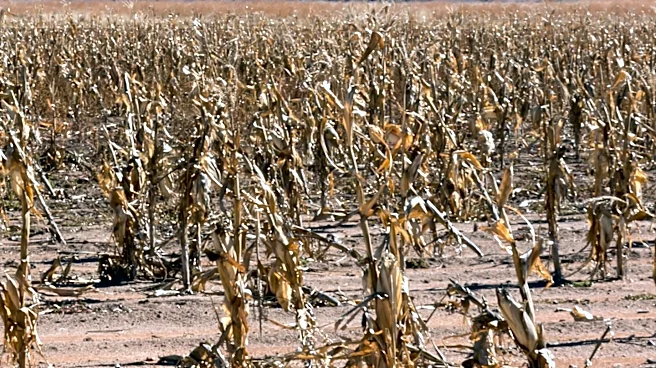
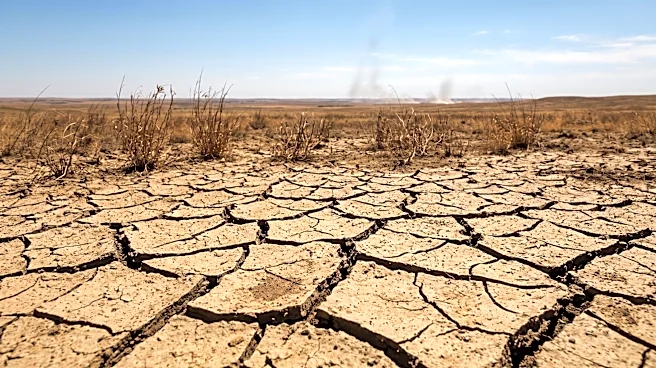
in these areas. Additionally, nine contiguous Tennessee counties—Bedford, Cannon, Coffee, Davidson, Giles, Lincoln, Maury, Williamson, and Wilson—have also been declared eligible for assistance. The U.S. Drought Monitor indicated that these counties suffered from a drought intensity of D2 (Severe Drought) for eight or more consecutive weeks, or D3 (Extreme Drought) or D4 (Exceptional Drought) during the growing season. This Secretarial natural disaster designation allows the USDA Farm Service Agency (FSA) to provide emergency credit to agricultural producers affected by the drought. Farmers in these eligible counties can apply for emergency loans to address various recovery needs, including replacing essential equipment or livestock, reorganizing farming operations, or refinancing certain debts. The FSA will evaluate loan applications based on the extent of losses, available security, and repayment capability. The application deadline for these emergency loans is June 21, 2027.
Why It's Important?
This USDA designation is crucial for the agricultural sector in the affected Tennessee counties, providing a vital financial lifeline to farmers grappling with the economic fallout of severe drought. Without such assistance, many producers could face significant financial distress, potentially leading to farm closures, reduced agricultural output, and broader economic instability in rural communities. The availability of emergency loans helps farmers recover from crop losses, livestock impacts, and other drought-related damages, ensuring the continuity of their operations. This support also helps maintain the supply chain for agricultural products, which is essential for food security and the regional economy. By enabling farmers to replace essential items and reorganize their operations, the USDA's action mitigates the long-term impacts of natural disasters on the agricultural industry. Furthermore, it underscores the federal government's role in supporting agricultural resilience against increasingly frequent and severe weather events, highlighting the economic vulnerability of farming to climate-related challenges.
What's Next?
Farmers in the designated primary and contiguous Tennessee counties can now apply for emergency loans through the USDA Farm Service Agency (FSA). The application window extends until June 21, 2027, providing producers with several months to assess their losses and submit their applications. The FSA will review these applications, considering factors such as the severity of losses, available collateral, and the applicant's ability to repay the loan. Farmers are encouraged to utilize resources like the Disaster Assistance Discovery Tool, the Disaster Assistance-at-a-Glance fact sheet, and the Loan Assistance Tool available on farmers.gov to understand their options. They should also contact their local USDA Service Center to file a Notice of Loss and inquire about available programs. This process will determine the extent of financial relief provided to individual farmers, aiding their recovery and helping them prepare for future agricultural seasons. The USDA's ongoing monitoring of drought conditions will also be critical in assessing any further needs or extensions of assistance.
Beyond the Headlines
The designation of these Tennessee counties as natural disaster areas due to drought highlights a broader national concern regarding the increasing frequency and intensity of extreme weather events. While providing immediate relief, this action also implicitly points to the need for long-term strategies to enhance agricultural resilience against climate change. The reliance on emergency loans, while necessary, can be a reactive measure. Deeper implications include the potential for shifts in agricultural practices, such as adopting more drought-resistant crops or water conservation techniques, to reduce future vulnerabilities. This situation also underscores the importance of robust insurance programs and disaster risk financing strategies to complement federal aid. The economic stability of rural communities is intrinsically linked to the health of their agricultural sectors, making these disaster designations not just about individual farms but about the sustained viability of entire regions. The ongoing challenges posed by drought may also influence policy discussions around water management, land use, and climate adaptation in agriculture.