
What's Happening?
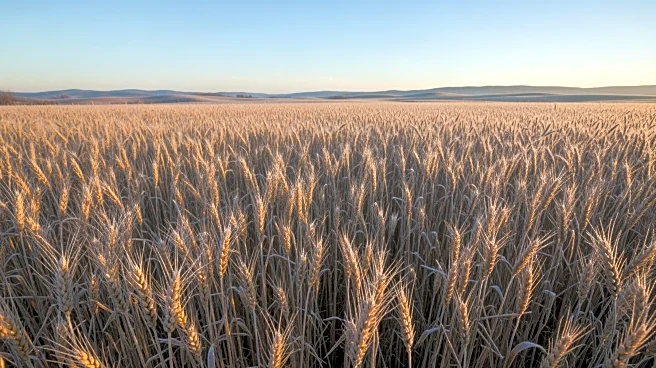
The Canadian Prairies, despite facing harsh continental climates with winter temperatures plummeting to -40°C and a short 100-day planting window, have emerged as one of the world's most productive agricultural
regions. This area, covering Saskatchewan, Alberta, and Manitoba, produces over 75 million tons of grain annually, including wheat, canola, barley, lentils, and peas. The success of this region is attributed to genetic adaptation, extreme planning, and advanced agricultural technology. The Prairies benefit from long summer days with up to 17 hours of sunlight, which accelerates plant growth. The region's soil, rich in organic matter, and large-scale mechanization further enhance productivity. Canadian agriculture has also invested in precision agriculture to mitigate risks from the extreme climate.
Why It's Important?
The Canadian Prairies play a crucial role in global food security, consistently ranking among the world's largest exporters of key crops. The region's ability to produce large quantities of grain under extreme conditions highlights the potential of technology and planning in overcoming environmental challenges. This agricultural success supports Canada's economy and positions the country as a significant player in international agricultural trade. The Prairies' output helps stabilize global food prices and supply, especially during years when other regions face crop failures. This resilience and productivity underscore the importance of innovation in agriculture, particularly in the face of climate change.