








What's Happening?
NAD IV therapy, promoted on social media for increased energy, sharper focus, and anti-aging, lacks strong scientific evidence to support its claimed health benefits, according to Dr. Zachary Mulvihill, an integrative health and well-being physician at NewYork-Presbyterian
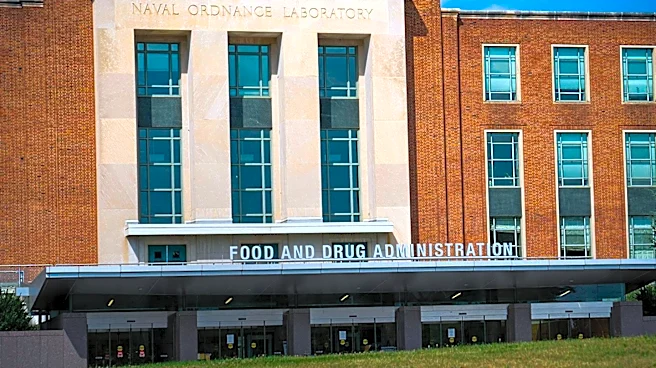
and Weill Cornell Medicine. While nicotinamide adenine dinucleotide (NAD) is an essential molecule derived from vitamin B3, crucial for over 400 enzyme reactions and cellular energy, its intravenous administration is not approved by the U.S. Food and Drug Administration (FDA) for any medical condition. Animal studies suggesting NAD's role in metabolic health and age-related cellular function have not been replicated in humans, and much of that research focused on NAD precursors, not IV infusions. Treatments can cost hundreds of dollars per session, are rarely covered by insurance, and carry substantial side effects, including abdominal cramping, nausea, increased heart rate, and chest pressure. Concerns also exist regarding product quality, as compounded NAD injections are not subject to the same FDA review as approved medications, leading to potential contamination risks.
Why It's Important?
This information is crucial for public health and consumer protection in the U.S., as it debunks popular, yet unproven, wellness trends. The lack of FDA approval and scientific evidence, coupled with high costs and potential side effects, highlights a significant risk for individuals seeking quick fixes for energy and anti-aging. The proliferation of such therapies, often driven by social media influencers, underscores the challenge of distinguishing evidence-based health practices from marketing hype. This situation can lead to financial exploitation and adverse health outcomes for consumers. It also points to a broader issue within the wellness industry where unverified treatments gain traction, potentially diverting individuals from proven medical care and fostering a false sense of security regarding their health.
What's Next?
Individuals considering NAD IV therapy are strongly advised to discuss its alleged benefits, dosage, ingredients, sterility standards, clinical oversight, and possible alternatives with a licensed healthcare provider. Increased public awareness campaigns from medical professionals and regulatory bodies may be necessary to counter misinformation spread through social media. The FDA may also intensify its scrutiny of compounded NAD injections and wellness clinics offering unapproved therapies, potentially leading to stricter regulations or enforcement actions. Consumers should become more critical of health claims, especially those promising dramatic results without robust scientific backing, and prioritize consultations with qualified medical professionals over social media recommendations.
Beyond the Headlines
The phenomenon of NAD IV therapy gaining popularity despite a lack of scientific evidence reflects a deeper societal yearning for longevity, vitality, and quick solutions to complex health issues. This trend is fueled by a culture that often prioritizes anecdotal evidence and influencer endorsements over rigorous scientific research. It raises ethical questions about the responsibility of social media platforms in curbing the spread of unverified health claims and the role of wellness clinics in offering treatments without established efficacy. The high cost of these unproven therapies also highlights issues of health equity, as those with disposable income may be more susceptible to such trends, while those with limited resources might be unable to access proven, affordable care. Ultimately, it underscores the ongoing challenge of promoting scientific literacy and critical thinking in an information-saturated world.