





What's Happening?
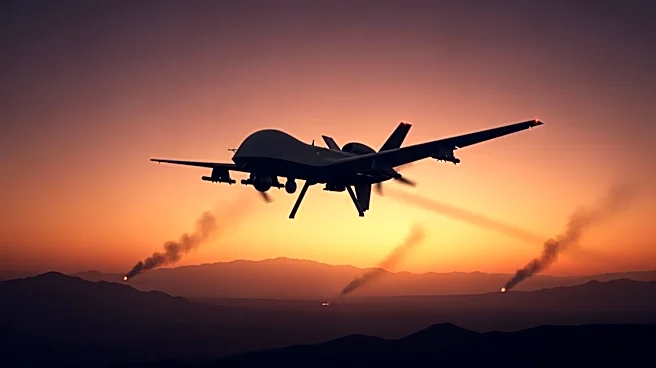
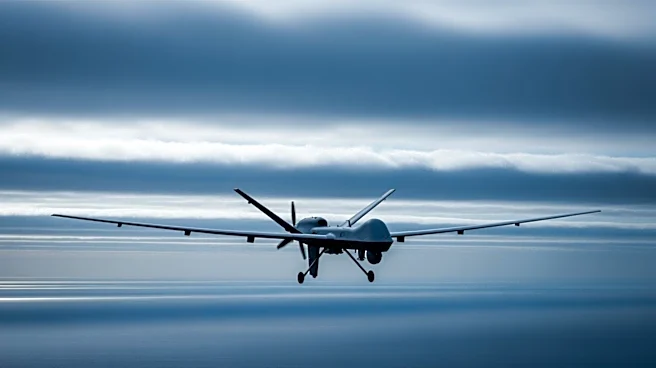
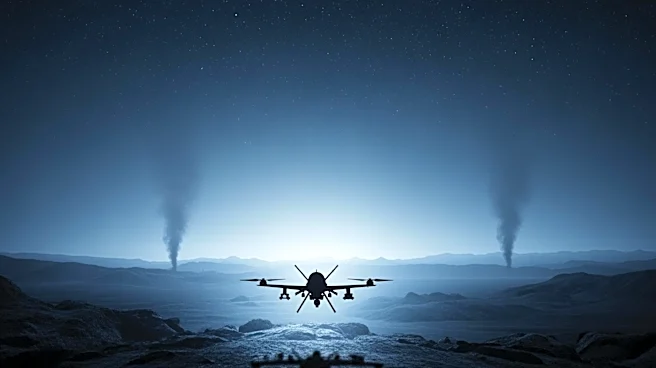
The US military has significantly increased its intelligence-gathering flights off the coast of Cuba, with at least 25 flights conducted since February 4, 2026. These operations involve manned aircraft and drones, primarily near Havana and Santiago de
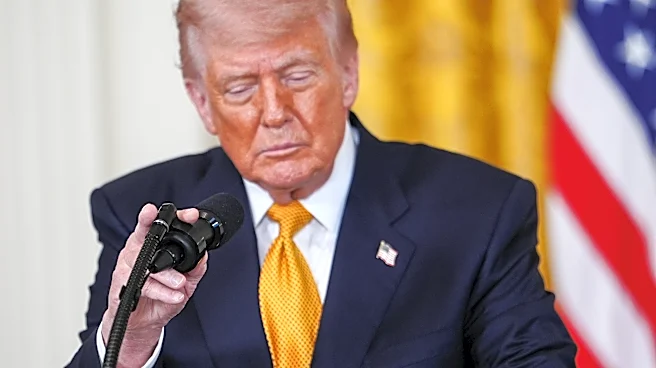
Cuba, and have been tracked using open-source flight tracking platforms. The flights, which include P-8A Poseidon maritime patrol aircraft and RC-135V Rivet Joint signals intelligence aircraft, are notable for their proximity to the Cuban coast and their sudden increase in frequency. This surge in surveillance activity coincides with heightened rhetoric from President Trump against Cuba, including a recent oil blockade and expanded sanctions. The Pentagon has not commented on these operations, which have been widely shared on social media, raising questions about whether the US is deliberately signaling its presence to Cuba.
Why It's Important?
The increase in US surveillance flights near Cuba is significant as it reflects escalating tensions between the two countries. The operations suggest a strategic shift in US military focus, potentially as a response to perceived threats from Cuba. This development could impact US-Cuba relations, which have been strained by recent US sanctions and blockades. The flights also serve as a public demonstration of US military capabilities and intentions, possibly aimed at deterring Cuban actions deemed threatening to US interests. The situation underscores the complex geopolitical dynamics in the region and the potential for further escalation if diplomatic solutions are not pursued.
What's Next?
The continuation of these surveillance flights could lead to increased diplomatic tensions between the US and Cuba. Cuban officials may respond with heightened military readiness or seek international support to counter US actions. The US may also face criticism from other countries for its aggressive posture. Future developments will likely depend on the US administration's strategic objectives and Cuba's response to these provocations. The situation warrants close monitoring as it could influence broader US foreign policy in the region.