
What's Happening?
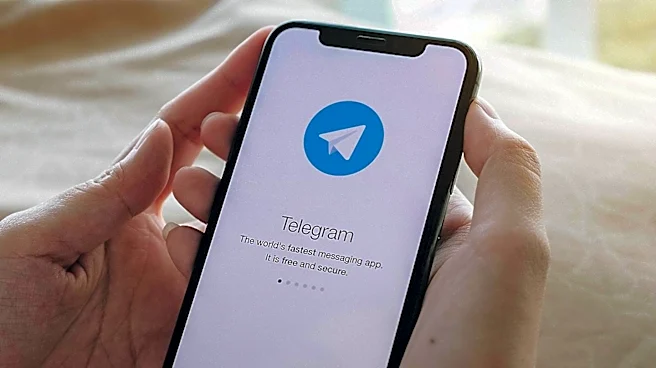
Telegram recently rolled out HTML widgets for its Android and Windows applications between November 9 and 10, 2026, designed to power interactive features, including payments. Shortly after, on November 11,
security firm V12 demonstrated a proof-of-concept for a remote code execution (RCE) vulnerability linked to these new widgets. Telegram responded swiftly, deploying a server-side patch to all users within hours of the demonstration on the same day. This server-side fix meant users did not need to manually update their applications. Telegram founder and CEO Pavel Durov personally addressed the issue on November 13, disputing claims that the flaw allowed attackers to compromise accounts merely by sending a message. Durov asserted that exploitation would have required an active third-party service to be initiated first, thereby narrowing the scope of potential impact. Telegram has stated that there have been no confirmed exploitations or data theft related to the reported flaw, and no successful in-the-wild attacks have been reported.
Why It's Important?
This incident is significant as Telegram is increasingly integrating payments and cryptocurrency wallets into its platform. The security concern emerged concurrently with a rapid expansion in Telegram's crypto wallet adoption, with over 1 million new integrated wallets appearing within a 48-hour period. Any vulnerability, even if quickly patched, raises questions about the security of financial transactions and user assets within the app. While Telegram's rapid response contained the immediate damage, the dispute over the severity of the flaw between V12 and Durov highlights ongoing challenges in cybersecurity. For users, the incident underscores the importance of platform security, especially as messaging apps evolve into comprehensive financial tools. The company's ability to quickly address and mitigate such threats is crucial for maintaining user trust and facilitating its expansion into the financial technology sector.
What's Next?
Following the server-side patch, Telegram's immediate focus will likely be on reinforcing its security infrastructure, particularly as it continues to integrate more financial services like crypto wallets. Pavel Durov's public challenge to hackers to breach his personal Telegram account serves as a public stress test, aiming to demonstrate the platform's security post-patch. The outcome of this challenge could either bolster Telegram's reputation for security or expose further vulnerabilities, leading to more scrutiny. The company will also need to continue monitoring for any new threats or attempts to exploit similar vulnerabilities, especially given its growing role in the crypto space. Further communication from Telegram regarding its security protocols and any enhancements made will be important for user confidence as it expands its feature set.
Beyond the Headlines
The incident highlights a broader trend of messaging applications evolving into multifaceted platforms that offer financial services, blurring the lines between communication tools and fintech. This convergence introduces new security challenges, as vulnerabilities that might once have been limited to data privacy now have direct financial implications. The debate over the severity of the RCE vulnerability also points to the complex nature of cybersecurity disclosures and the differing perspectives between security researchers and platform developers. For users, the increasing functionality of apps like Telegram means a greater need for vigilance regarding app permissions and third-party integrations. The incident also underscores the critical importance of rapid response mechanisms in the tech industry, where the speed of patching can significantly mitigate potential damage and maintain user trust in an increasingly interconnected digital economy.