





What's Happening?
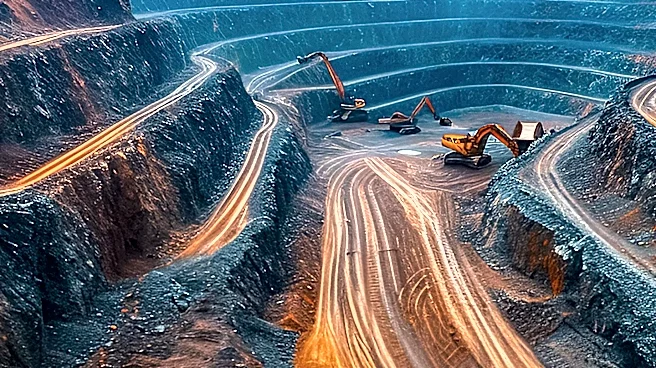
The International Council on Mining and Metals (ICMM) has identified physical water risks as a significant concern for the mining industry. According to ICMM's analysis, approximately 66% of mining and metals facilities worldwide are exposed to high levels
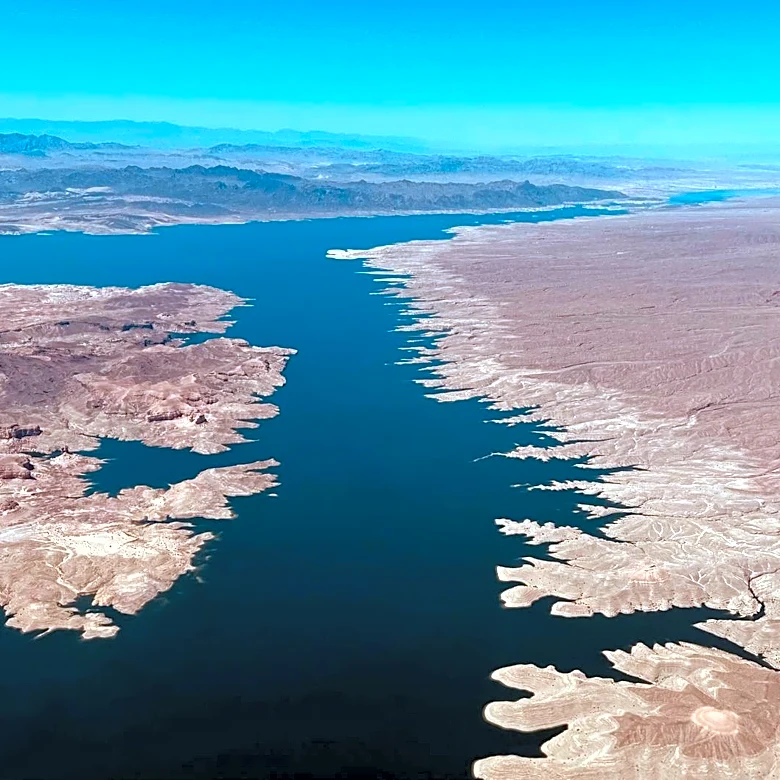
of at least one physical water risk indicator. Additionally, 38% of these facilities are located in areas with high or extremely high baseline water stress or in arid regions where water is scarce. The report emphasizes the need for coordinated land and water use planning, especially as demand for materials essential to clean energy systems increases. In Chile, a major copper producer, 86% of facilities face high water stress, highlighting the global nature of this issue. The ICMM's data also shows that water risks vary by commodity, with platinum group metals and chromite facing the highest drought exposure.
Why It's Important?
The findings by ICMM underscore the critical role of water management in the mining sector, which is pivotal for the global supply of essential minerals. As the world transitions to clean energy, the demand for these minerals is expected to rise, potentially exacerbating water-related challenges. Effective water stewardship is crucial to ensure sustainable mining practices that do not compromise water resources. The report suggests that without proper management, water risks could become a significant constraint on the energy transition. This has implications for policymakers and investors who must consider water risk exposure in their decision-making processes. The mining industry's ability to adapt to these challenges will be vital for maintaining supply chains and supporting economic growth.
What's Next?
The ICMM's report calls for enhanced water stewardship practices among mining companies to manage water in socially equitable, environmentally sustainable, and economically beneficial ways. This involves developing comprehensive data to inform policy and investment decisions. Mining companies are encouraged to integrate water risk management into their operations to mitigate potential impacts. The report serves as a starting point for further exploration and collaboration to improve the understanding of water risks across the industry. As the demand for minerals continues to grow, the industry must prioritize sustainable water management to support the global energy transition.
Beyond the Headlines
The ICMM's analysis highlights the broader implications of water risks beyond immediate operational challenges. The report suggests that water scarcity and management could influence geopolitical dynamics, particularly in regions heavily reliant on mining. As water becomes a more contested resource, mining companies may face increased scrutiny and regulatory pressures. This could lead to shifts in investment patterns and influence the global distribution of mining activities. The industry's response to water risks will also impact its social license to operate, as communities and stakeholders demand more responsible resource management.