





What's Happening?
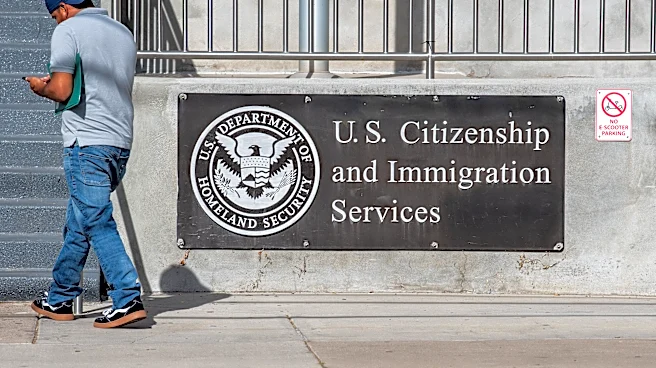
U.S. Citizenship and Immigration Services (USCIS) released Policy Memorandum PM-602-0201 on November 4, 2026, clarifying how certain financial and support obligations impact an applicant's 'good moral character' for naturalization. The memo addresses
issues related to dependent support, public-benefit fraud, and sponsorship commitments. For those who signed Forms I-134 or I-134A, a willful failure to honor promised support will be considered an adverse character factor, though signing these forms is not an automatic bar to citizenship. For signers of Forms I-864, I-864EZ, and I-864A, failure to meet support obligations may negatively impact their application. However, a sponsored person's receipt of benefits does not automatically constitute a breach. The memo also states that lawful receipt of public benefits alone does not prevent naturalization; any adverse finding must be based on specific conduct after an individualized review, not on poverty, disability, or lawful benefit receipt. This guidance aims to provide clarity on how USCIS assesses an applicant's character, which is a central requirement for naturalization.
Why It's Important?
This USCIS policy memorandum is significant for thousands of green card holders seeking U.S. citizenship, particularly those who have sponsored others or received public benefits. The clarification helps applicants understand the specific criteria USCIS will use to evaluate their 'good moral character,' potentially reducing uncertainty and the risk of denial. For sponsors, it underscores the importance of fulfilling their commitments, as a willful failure can now directly jeopardize their path to citizenship. For benefit recipients, the memo provides reassurance that lawful use of public assistance will not automatically disqualify them, shifting the focus to fraudulent or intentional avoidance of self-sufficiency. This guidance could influence how prospective citizens manage their financial obligations and interactions with public assistance programs, prompting more diligent record-keeping and careful consideration of sponsorship agreements. It also highlights USCIS's ongoing effort to refine and standardize the assessment process for naturalization eligibility.
What's Next?
The USCIS memo indicates that further Policy Manual guidance and revisions to Form N-400, the Application for Naturalization, are expected. These updates will likely include expanded questioning related to dependent support, public benefits, and sponsorship commitments. Applicants preparing to file for naturalization should gather comprehensive records related to any support agreements (Forms I-134, I-134A, I-864, I-864EZ, I-864A), child support obligations, and public benefit receipts. It is advisable for applicants to consult with immigration attorneys to assess their individual circumstances and ensure their applications accurately reflect their history in light of this new guidance. The implementation of these changes will require USCIS officers to conduct individualized reviews, focusing on specific conduct rather than broad assumptions. Future policy manual updates will provide more detailed instructions for adjudicators, ensuring consistent application of these new standards across all naturalization cases.
Beyond the Headlines
This policy update reflects a broader emphasis within immigration policy on self-sufficiency and accountability for financial commitments. While aiming to clarify 'good moral character,' it also subtly reinforces the expectation that individuals seeking citizenship should demonstrate financial responsibility and adherence to agreements. The memo's distinction between lawful benefit receipt and fraudulent conduct is crucial, protecting vulnerable populations while still deterring abuse. However, the interpretation of 'willful failure' to support dependents or honor sponsorship commitments could become a point of contention, potentially leading to increased scrutiny of applicants' financial histories. This could also influence future immigration policies regarding sponsorship, potentially making individuals more hesitant to act as sponsors due to the direct impact on their own citizenship prospects. The ongoing evolution of 'good moral character' definitions highlights the dynamic nature of immigration law and its intersection with societal expectations of civic responsibility.