





What's Happening?
A recent report by the financial website WalletHub has identified several cities in the tri-state area, including Yonkers, as among the least desirable places for retirement in the United States. The study evaluated 182 cities across the country, with
Yonkers ranking below 150th place. Other tri-state cities also performed poorly, with New York City placing 142nd, Newark at 180th, Jersey City at 168th, and Bridgeport at 175th. The rankings were determined by analyzing various factors crucial for retirees, including the cost of living, tax burdens, availability and quality of healthcare services, and recreational opportunities.
Why It's Important?
This ranking is significant for current and prospective retirees in Yonkers and the broader tri-state area, as it highlights potential financial and lifestyle challenges they may face. A low ranking in retirement suitability can deter individuals from settling in these areas, potentially impacting local economies through reduced consumer spending and property values. For local governments, such reports can serve as a call to action to address the underlying issues, such as high cost of living or inadequate recreational facilities, to attract and retain an older demographic. The findings also influence policy discussions regarding senior services, affordable housing, and tax structures, as cities compete to offer a more attractive environment for retirees who often contribute to local volunteer efforts and community engagement.
What's Next?
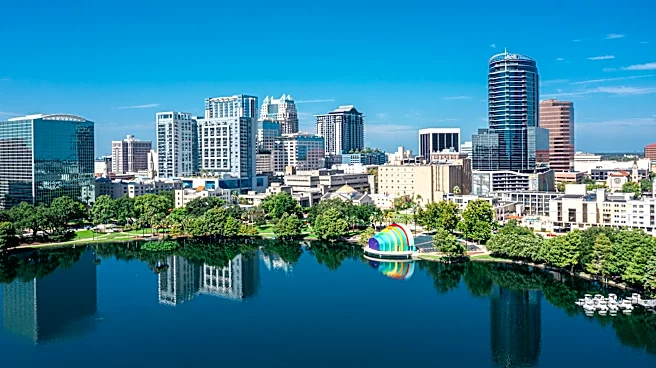
Following the release of this report, local officials in Yonkers and other affected cities may face increased pressure to evaluate and potentially revise policies that impact retirees. This could include exploring initiatives to lower the cost of living, such as property tax relief programs for seniors, or investing in healthcare infrastructure and recreational facilities tailored to an older population. Community organizations and advocacy groups for seniors might leverage these findings to push for greater support and resources. Prospective retirees may use this information to inform their decisions about where to live, potentially leading to migration patterns away from these lower-ranked cities towards more retirement-friendly locations like Orlando, Florida, which was ranked as the best city for retirement in the same study.
Beyond the Headlines
The WalletHub report on retirement cities delves deeper than just financial metrics, touching upon the broader quality of life for older adults. A city's suitability for retirement reflects its overall livability, including social engagement opportunities, accessibility, and community support systems. A low ranking can indicate systemic issues that affect not only retirees but also other vulnerable populations. This could prompt a re-evaluation of urban planning strategies to create more age-friendly communities, fostering intergenerational connections and ensuring that cities are inclusive for all residents, regardless of age. The report implicitly encourages a holistic view of urban development, where economic viability is balanced with social well-being and environmental sustainability to create truly desirable places to live at every stage of life.