



What's Happening?
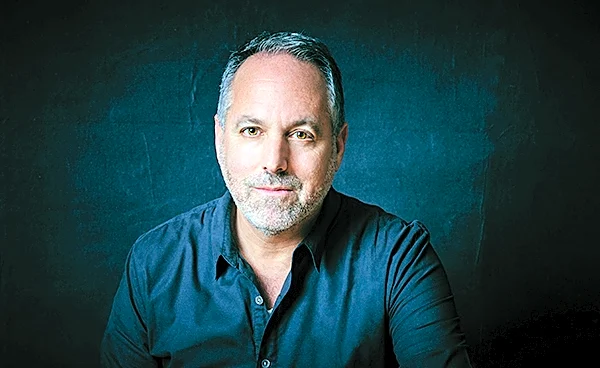
Republican gubernatorial nominee Byron Donalds has announced State Senator Bryan Avila of Miami as his running mate for the Florida governor's race. Avila, 42, would assume the role of lieutenant governor if Donalds is successful in defeating Democratic
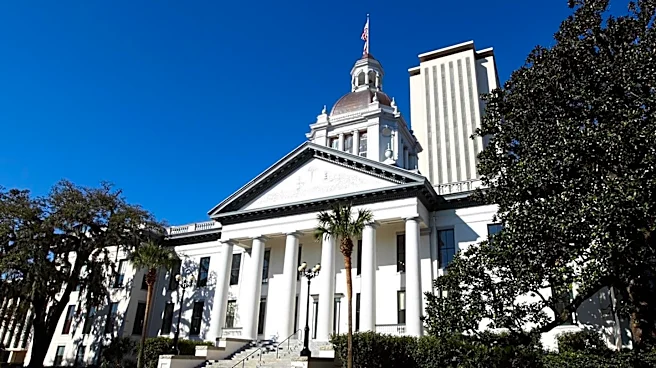
nominee David Jolly in the November 3 general election. The announcement was made at Miami’s Freedom Tower, a location significant to Cuban Americans. Avila brings extensive legislative experience, having served eight years in the Florida House of Representatives before being elected to the Senate in 2022. He is also a captain in the Florida National Guard and serves as dean of the School of Criminal Justice at Doral College. Donalds highlighted Avila's background as the son of Cuban immigrants who fled communism and his legislative record, which includes sponsoring Senate Bill 484 this year, a measure restricting large data centers by requiring them to pay their full share of energy costs. This selection aims to bolster the Republican ticket with a South Florida connection and a strong conservative voice.
Why It's Important?
The selection of Bryan Avila as Byron Donalds' running mate is strategically important for the Republican campaign in Florida. Avila's Cuban-American heritage and his family's history of fleeing communist Cuba are expected to resonate with a significant portion of Florida's Hispanic electorate, particularly in South Florida. This demographic has historically been a key voting bloc in the state. His military service in the Florida National Guard could also appeal to pro-military voters. Furthermore, Avila's legislative experience, including his work on issues like property tax cuts and data center regulations, positions him as a candidate familiar with state-level policy and conservative principles. The campaign is emphasizing affordability, housing costs, and utility expenses, issues that are central to many Floridians. By contrasting their stance with what they label as 'socialist' tendencies of the Democratic ticket, Donalds and Avila aim to draw a clear ideological line for voters, potentially influencing the outcome of a closely watched gubernatorial contest.
What's Next?
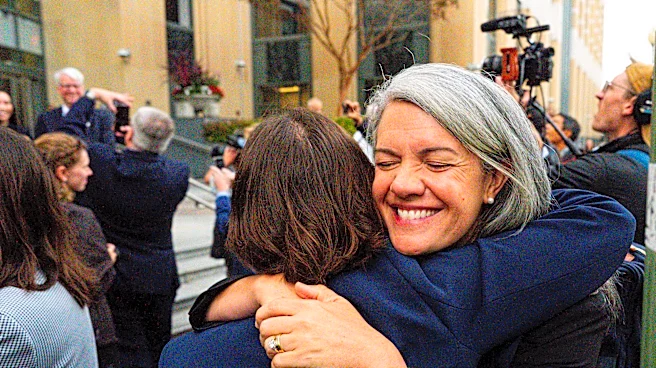
Byron Donalds and Bryan Avila will now intensify their campaign efforts against the Democratic ticket of David Jolly and Gwen Graham, leading up to the November 3 general election. The next 10 weeks will likely see both campaigns focusing on key issues such as affordability, housing, and insurance costs, which are significant concerns for Florida voters. The Republican ticket is expected to continue highlighting Avila's background and conservative legislative record, while also drawing comparisons between their platform and the Democratic opposition, particularly on economic and ideological grounds. The Democratic campaign, as indicated by David Jolly, plans to focus on Donalds' relationship with President Trump. Both tickets will aim to mobilize their respective bases and persuade undecided voters, with appearances and rallies scheduled across the state. The outcome will determine the next governor and lieutenant governor of Florida, shaping the state's political and policy direction for the coming term.
Beyond the Headlines
The choice of Bryan Avila as running mate extends beyond immediate electoral strategy, touching upon deeper cultural and political narratives in Florida. Avila's personal story as the son of Cuban exiles fleeing communism is a powerful narrative that resonates deeply within the state, particularly among communities with similar experiences. This narrative is being leveraged to frame the election as a choice between 'freedom' and 'socialism,' a recurring theme in Florida politics that aims to galvanize conservative voters and potentially sway those wary of progressive policies. The emphasis on affordability and housing costs also reflects a broader concern across the U.S., highlighting the economic pressures faced by many citizens. The campaign's focus on these issues, coupled with Avila's legislative actions on data centers and property taxes, suggests a long-term commitment to addressing economic challenges through conservative policy. This election could serve as a bellwether for how such narratives and policy approaches perform in a diverse and politically dynamic state like Florida.