







What's Happening?
Inmates in U.S. prisons are increasingly threatened by extreme heat due to climate change and inadequate cooling systems in older facilities. Many prisons, built with heat-trapping materials like concrete and steel during a construction boom starting
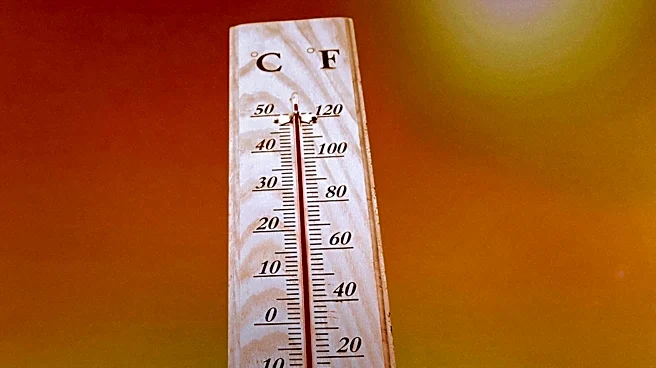
in the 1970s, lack efficient air conditioning or any cooling at all. Steve Brooks, incarcerated at San Quentin Rehabilitation Center, described temperatures reaching 90-100 degrees Fahrenheit during an eight-hour power outage, making it feel like he was running out of oxygen. Josh Mcmillen, formerly at Minnesota's Lino Lakes prison, recounted the oppressive heat in units without effective cooling, likening it to a 'tomb slash sauna.' Research indicates a rise in hot days and a correlation between hotter temperatures and increased inmate deaths, including from heart disease and suicide. Newly incarcerated individuals are particularly vulnerable as they are not yet acclimated to the heat. While some facilities implement measures like industrial fans, ice access, and window tinting, these are often insufficient.
Why It's Important?
The issue of extreme heat in U.S. prisons is a critical public health and human rights concern. Inadequate cooling systems pose severe health risks to inmates, including heat stroke, which can be fatal, and exacerbate existing chronic health conditions. The disproportionate impact on vulnerable populations, such as the elderly and those on certain medications, raises ethical questions about the standard of care within correctional facilities. The problem is compounded by overcrowding and restrictions on movement, limiting inmates' ability to cope with high temperatures. Legal challenges, such as the federal judge's order for Texas prisons to install air conditioning, highlight the constitutional implications of subjecting individuals to 'plainly unconstitutional' conditions. This situation also affects prison staff, who, despite being able to leave, face similar working conditions. Addressing this issue requires significant investment in infrastructure upgrades, which, while costly, could save millions in healthcare expenses related to heat illnesses.
What's Next?
States are beginning to address the problem, with some like North Carolina, Vermont, and Texas investing millions to upgrade or install cooling systems. However, the scale of the problem suggests that comprehensive, nationwide solutions will be necessary. Experts emphasize that political will and funding are crucial for implementing effective changes. This could involve seeking state funding for facility improvements, as the Minnesota Department of Corrections plans to do for Lino Lakes. There is also a need for more data and regulation, as heat-related deaths in prisons are often underreported. Continued legal action and advocacy from groups like New York Lawyers for the Public Interest will likely push for greater accountability and mandated standards for inmate protection against extreme temperatures. The long-term solution will require a collaborative effort between correctional agencies, government bodies, and experts to adapt facilities to the realities of a warming climate.
Beyond the Headlines
The crisis of extreme heat in prisons extends beyond immediate health concerns, touching upon fundamental questions of justice, rehabilitation, and societal values. The fact that some states have regulations to protect workers from extreme temperatures but not inmates highlights a disparity in human rights considerations. This issue underscores the broader impact of climate change on vulnerable populations and infrastructure not designed for rising temperatures. It also brings into focus the often-overlooked conditions within correctional facilities, prompting a reevaluation of what constitutes humane treatment. The financial burden of upgrading these facilities, while substantial, presents an opportunity to modernize prison infrastructure and integrate sustainable cooling solutions. Ultimately, how the U.S. addresses this challenge will reflect its commitment to the well-being of all individuals, including those who are incarcerated, and its capacity to adapt to the environmental realities of the 21st century.