





What's Happening?
The United Arab Emirates (UAE) announced its formal exit from the Organization of the Petroleum Exporting Countries (OPEC) and the OPEC+ alliance, effective May 1, 2026. This decision marks a significant shift in global oil politics, as the UAE is one
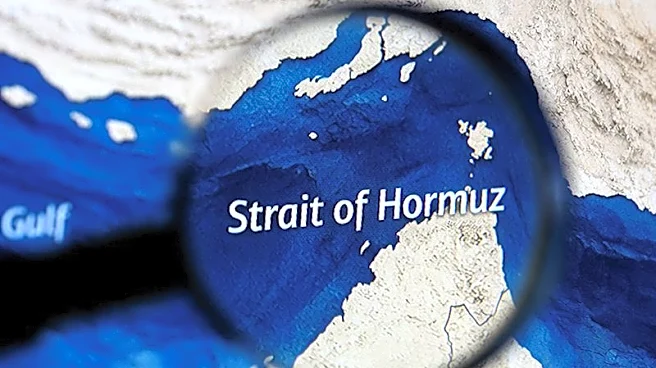
of the cartel's major producers with substantial spare capacity. The move is seen as a response to Saudi-led production quotas that have limited the UAE's ability to fully capitalize on its oil resources. The UAE's departure comes amid ongoing geopolitical tensions, including the Iran conflict and disruptions in the Strait of Hormuz. The UAE has been in discussions with the U.S. Treasury to secure currency swap lines, which would provide financial stability amid these disruptions. This alignment with U.S. interests suggests a strategic pivot away from OPEC's collective discipline.
Why It's Important?
The UAE's exit from OPEC could have far-reaching implications for global oil markets. As a major oil producer, the UAE's decision to operate independently may lead to increased oil production, potentially affecting global oil prices. This move also highlights a shift in alliances, with the UAE aligning more closely with U.S. interests. The U.S. has significant influence over Iraq's oil revenues and has been involved in discussions with the UAE regarding financial support. This realignment could weaken OPEC's ability to manage global oil prices and may lead to increased volatility in the market. Additionally, the UAE's decision to prioritize national interests over cartel discipline could encourage other OPEC members to consider similar moves, further diluting the cartel's influence.
What's Next?
The UAE's departure from OPEC may prompt other member countries to reassess their positions within the cartel. If other members follow suit, OPEC's ability to influence global oil prices could be further diminished. The U.S. may continue to strengthen its financial ties with the UAE, providing a buffer against market volatility. Meanwhile, the ongoing geopolitical tensions in the region, particularly involving Iran, could lead to further disruptions in oil supply. The U.S. may impose additional sanctions on Iran, potentially affecting global oil markets. As the situation evolves, stakeholders will be closely monitoring the impact on oil prices and the broader geopolitical landscape.
Beyond the Headlines
The UAE's exit from OPEC underscores a broader trend of fragmentation in global oil markets. As countries prioritize national interests, the traditional model of collective production management is being challenged. This shift could lead to a more competitive and potentially more volatile oil market. The alignment of the UAE with U.S. interests also reflects a strategic realignment in the region, with potential implications for U.S. foreign policy and energy strategy. The weakening of OPEC's influence may benefit U.S. consumers through lower oil prices, but it also poses challenges for domestic shale producers who may face increased competition.