





What's Happening?
Indian American philanthropy is increasingly focused on engaging younger generations and transmitting cultural values, according to a report by The Bridgespan Group in collaboration with the Ford Foundation. Many Indian American diaspora donors view philanthropy not
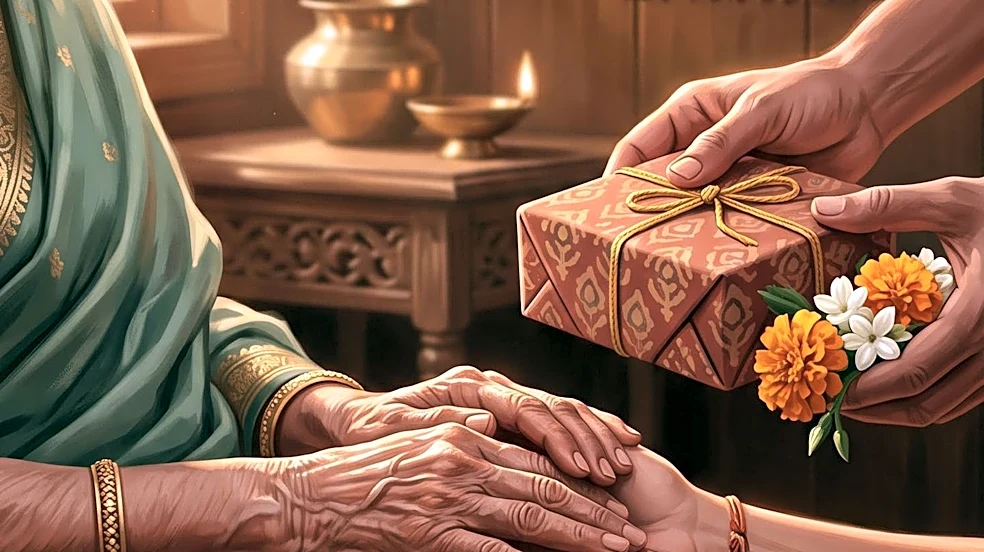
only as a means to impact the world but also as a crucial avenue for passing down culture and values across generations. This is particularly relevant for Indian nonprofits concerned about declining connections between successive generations of Indian Americans and India. Foundations like the Tarsadia Foundation actively organize service trips to India to help younger family members connect with their heritage. Similarly, individuals like Sapphira Goradia Shaw and Pia Desai are continuing their families' philanthropic legacies, emphasizing the cultural imperative of generosity. Organizations such as the American India Foundation, India Philanthropy Alliance, and AKF USA are also investing in youth programs, essay competitions, and immersive experiences to foster this intergenerational connection and reinforce Indian American identity through giving.
Why It's Important?
This trend in Indian American philanthropy is significant for several reasons. It highlights a strategic effort to ensure the longevity and continued growth of philanthropic endeavors within the community, preventing a potential decline as first-generation donors age. By engaging younger generations, these families and organizations are cultivating future leaders and philanthropists who understand the importance of giving back, both to their ancestral homeland and to their communities in the U.S. This intergenerational approach also serves as a powerful mechanism for cultural preservation and identity formation among Indian Americans, many of whom navigate a dual cultural identity. Strengthening these ties through philanthropy can lead to more sustained and impactful giving, addressing critical needs in both the U.S. and India, and fostering a stronger sense of community and shared purpose across the diaspora.
What's Next?
The Indian American philanthropic ecosystem is expected to continue evolving, with increased efforts to engage younger donors and provide structured opportunities for their involvement. This may include more youth ambassador programs, mentorship initiatives, and collaborative giving circles tailored to the interests and perspectives of younger generations. There is also a recognized need to address challenges such as building trust between donors and nonprofit organizations, navigating complex international giving regulations, and providing guidance on high-impact giving opportunities. Philanthropy advisors and community leaders will likely focus on creating more robust support systems and platforms to facilitate informed and effective giving. Furthermore, there's a growing recognition of the untapped potential in women-focused philanthropy, suggesting future initiatives may specifically target and empower Indian American women donors.
Beyond the Headlines
The emphasis on intergenerational giving within the Indian American community reflects a broader societal trend where cultural identity and heritage are increasingly being preserved and expressed through philanthropic actions. This approach transforms giving from a mere financial transaction into a deeply personal and communal act that reinforces values, strengthens family bonds, and shapes collective identity. It also underscores the unique role of diaspora communities in fostering transnational connections and supporting development in their countries of origin. The challenges faced, such as navigating regulatory complexities and ensuring organizational credibility, highlight the need for robust philanthropic infrastructure and transparent practices. Ultimately, this movement suggests that philanthropy can be a powerful tool not just for addressing immediate needs, but for building lasting cultural legacies and fostering a sense of belonging across generations and geographical boundaries.