




What's Happening?
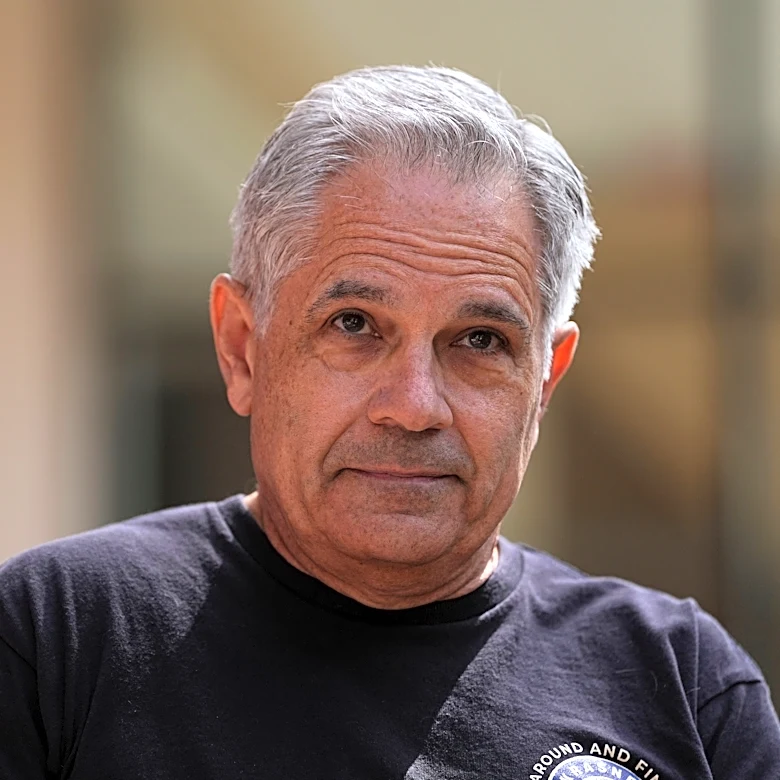
The U.S. Immigration and Customs Enforcement (ICE) has deported Fernando Armando Valdés Pérez, a 61-year-old Cuban-born Guatemalan citizen identified as an active Cuban intelligence operative. Valdés Pérez, who resided in Kendall, Florida, was found to have
infiltrated and reported on Cuban exile communities and dissident groups in Latin America and the U.S. since the mid-1990s. He allegedly concealed his affiliation with the Cuban regime while fraudulently obtaining legal immigration status. Notably, Valdés Pérez made campaign donations to Republican Congress members María Elvira Salazar and Mario Díaz-Balart and maintained close ties with prominent figures in the Cuban exile community, including repeated visits to Luis Posada Carriles during his detention.
Why It's Important?
This deportation highlights the persistent threat of foreign intelligence operations within the U.S., particularly targeting exile communities. The case of Valdés Pérez underscores how foreign agents can embed themselves within political and social structures, even making campaign contributions to elected officials, to gather intelligence and influence. The fact that he donated to Congress members Salazar and Díaz-Balart, who are prominent voices on Cuban issues, raises concerns about the vulnerability of political campaigns to foreign influence and the need for enhanced vetting processes. This incident also reinforces the U.S. government's commitment to counter-intelligence efforts and the enforcement of immigration laws against individuals who fraudulently obtain status while engaging in hostile activities.
What's Next?
The deportation of Fernando Armando Valdés Pérez is likely to prompt increased scrutiny of foreign intelligence activities within the U.S., particularly those targeting specific diaspora communities. Law enforcement and intelligence agencies may intensify efforts to identify and neutralize similar threats. There could also be calls for greater transparency and stricter regulations regarding campaign donations, especially from individuals with questionable backgrounds or foreign affiliations. The incident may also lead to a re-evaluation of security protocols for public figures and political campaigns to prevent infiltration by foreign agents. The Cuban exile community in Florida may experience heightened awareness and vigilance regarding potential espionage activities.
Beyond the Headlines
The Valdés Pérez case reveals the complex and often subtle nature of foreign intelligence operations, which extend beyond traditional espionage to include infiltration of political and social circles. It highlights the ethical dilemma faced by public figures who may unknowingly accept contributions from individuals with hostile intentions. This incident also underscores the long-standing geopolitical tensions between the U.S. and Cuba, demonstrating that intelligence gathering remains an active component of their relationship. The case serves as a stark reminder of the continuous need for vigilance and robust counter-intelligence measures to protect national security and the integrity of democratic processes from foreign interference.