






What's Happening?
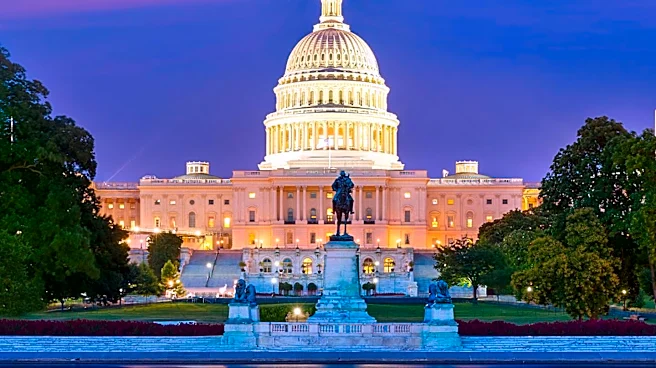
A movement is gaining traction within Congress to decentralize power from party leaders back to individual lawmakers and committees. This initiative is driven by dissatisfaction with the current concentration of power among party leaders, which has been
linked to legislative gridlock and dysfunction. The reform agenda, supported by both former and current members of Congress, suggests practical changes such as extending the congressional workweek, allowing committees to select their own chairs, and ensuring members can propose and debate amendments. This push for reform is also echoed by independent Senate candidates in states like Montana, Nebraska, and South Dakota, who advocate for a more open legislative process.
Why It's Important?
The proposed reforms aim to address the longstanding issues of partisanship and inefficiency in Congress by redistributing power. By empowering individual lawmakers and committees, the reforms could lead to more bipartisan cooperation and effective governance. This shift could potentially restore public confidence in Congress, which has been eroded by years of perceived inaction and partisanship. The changes could also influence the legislative process, making it more transparent and inclusive, thereby allowing for a broader range of voices and ideas to be considered in policymaking.
What's Next?
If the reform agenda gains further support, it could lead to significant changes in how Congress operates. The success of these reforms will depend on the willingness of current party leaders to relinquish some control and the ability of reform advocates to build a coalition across party lines. The upcoming elections could also play a crucial role, as new members who support these reforms could be elected, potentially shifting the balance of power and priorities within Congress.