





What's Happening?
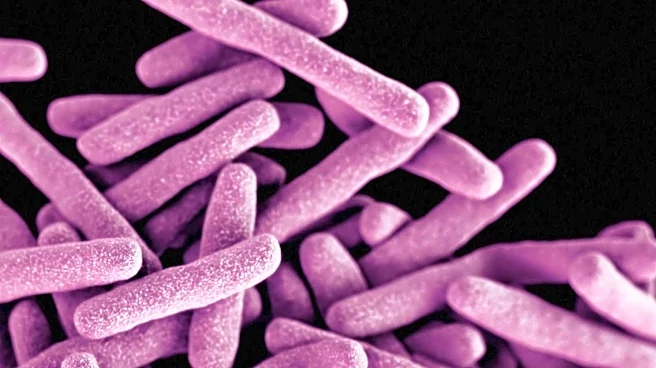
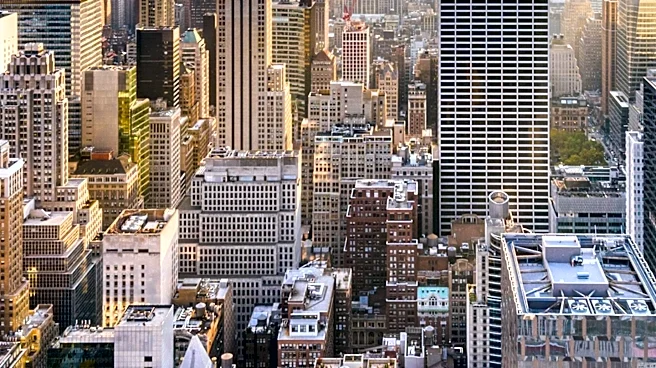
Thirty-four cooling towers across 33 buildings on the Upper East Side of New York City have tested positive for live Legionella bacteria. This development coincides with the confirmation of a fifth death linked to the outbreak. Legionella bacteria are
known to cause Legionnaires' disease, a severe form of pneumonia. The New York City Department of Health is actively investigating the situation and has issued warnings to residents and building managers in the affected areas. The department is also working to ensure that the cooling towers are properly disinfected to prevent further spread of the bacteria.
Why It's Important?
The presence of Legionella bacteria in multiple cooling towers poses a significant public health risk, particularly in densely populated urban areas like New York City. Legionnaires' disease can be fatal, especially for individuals with compromised immune systems or underlying health conditions. The outbreak highlights the importance of regular maintenance and monitoring of building water systems to prevent such occurrences. The situation also underscores the need for swift public health responses to contain outbreaks and protect vulnerable populations. The economic impact could be substantial if the outbreak leads to increased healthcare costs and potential legal liabilities for building owners.
What's Next?
The New York City Department of Health is expected to continue its investigation and monitoring of the affected areas. Building owners are likely to face increased scrutiny and may be required to implement more stringent maintenance protocols for their water systems. Public health officials may also consider broader regulatory changes to prevent future outbreaks. Residents in the affected areas are advised to stay informed about the situation and follow any health advisories issued by local authorities. The response to this outbreak could serve as a model for handling similar public health threats in other urban areas.