








What's Happening?
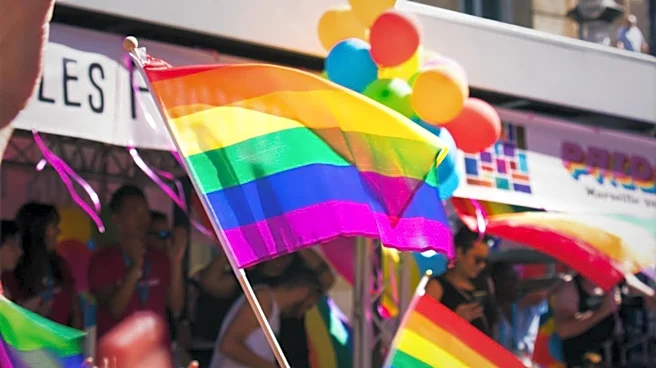
The annual Pride March in New York City, one of the largest LGBTQ+ events globally, took place on June 28, 2026. This year's theme, 'For All of Us,' was inspired by Marsha P. Johnson, a legendary LGBTQ+ activist and Stonewall veteran. The theme emphasizes
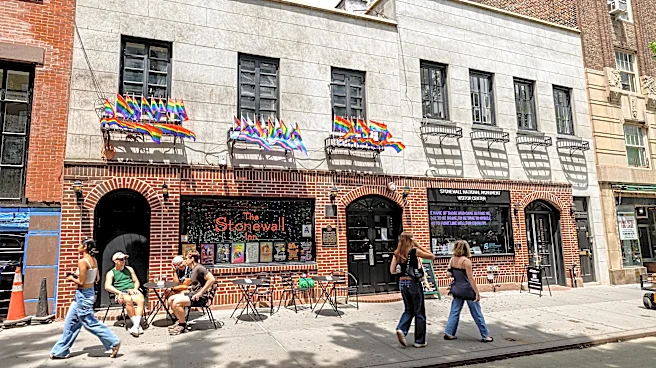
the importance of liberation for all, particularly focusing on uplifting trans and nonbinary communities. The march, organized by Heritage of Pride, started at 26th Street and 5th Avenue and concluded at 15th Street and 7th Avenue, passing through significant locations such as the Stonewall National Museum. The event is free to attend, although surrounding activities may incur additional costs. Grand Marshals for the event included Dominique Jackson, Peppermint, Bernie Wagenblast, Bowen Yang, and Gays Against Guns, recognized for their contributions to media, entertainment, and LGBTQ+ advocacy.
Why It's Important?
The NYC Pride March serves as a significant platform for visibility and advocacy for the LGBTQ+ community, particularly at a time when rights and recognition are under scrutiny. The event not only celebrates diversity and inclusion but also highlights ongoing struggles for equality, especially for trans and nonbinary individuals. By drawing attention to these issues, the march fosters a sense of community and solidarity, encouraging broader societal acceptance and policy changes. The participation of influential figures as Grand Marshals underscores the importance of media and entertainment in shaping public perceptions and advancing LGBTQ+ rights.
What's Next?
Following the Pride March, other related events such as Youth Pride and the NYC Dyke March continue to promote LGBTQ+ visibility and advocacy throughout the weekend. These events provide additional opportunities for community engagement and celebration. The ongoing focus on safety and inclusivity, including the exclusion of uniformed law enforcement from the march, reflects a commitment to creating a supportive environment for all participants. Future Pride events are likely to continue emphasizing these themes, advocating for broader acceptance and policy reforms.