







What's Happening?
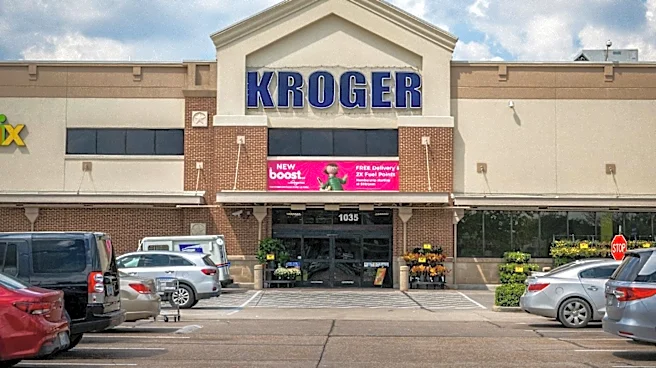
Consumer Reports has conducted a study revealing significant price variations for identical grocery baskets across different supermarket chains. The research indicates that the cost of groceries can vary by more than 33% depending on the store, with warehouse
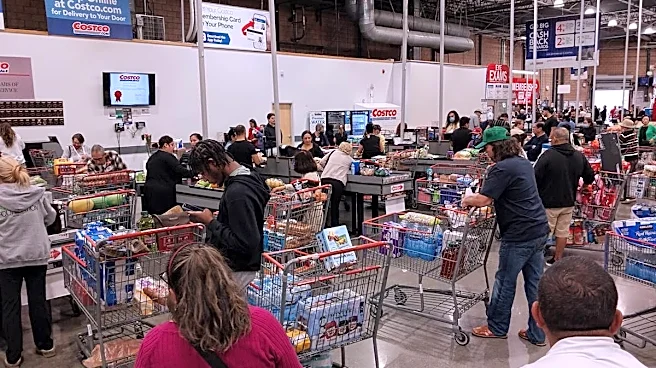
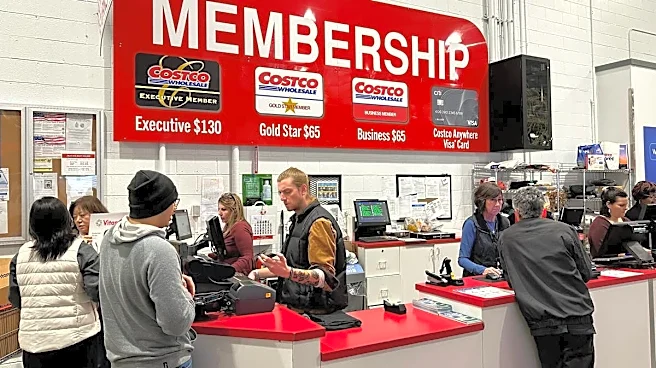
clubs like Costco and BJ's often offering the lowest prices, approximately 20% cheaper than Walmart. In contrast, stores such as Whole Foods and, in some areas, Trader Joe's, can be 25% to 40% more expensive than Walmart. The study suggests that consumers can save money by strategically shopping at a mix of discount stores and traditional supermarkets, utilizing loyalty programs, and being mindful of their shopping lists to avoid impulse purchases and reduce food waste.
Why It's Important?
This study is significant as it highlights the potential for consumers to save money on groceries by choosing where they shop more strategically. With grocery prices being a major component of household expenses, understanding these price differences can help families manage their budgets more effectively. The findings also emphasize the importance of consumer awareness and the benefits of using loyalty programs and digital coupons. This information could influence consumer behavior, encouraging more people to diversify their shopping habits to maximize savings.
What's Next?
Consumers may begin to adjust their shopping habits based on these findings, potentially leading to increased competition among grocery retailers. Stores may respond by offering more competitive pricing, enhanced loyalty programs, or exclusive discounts to attract and retain customers. Additionally, there could be a rise in consumer education efforts to help shoppers make more informed decisions about where and how they purchase groceries.