
What's Happening?
The Bureau of Land Management (BLM) has initiated a public scoping process for the proposed DeLamar gold and silver mine, which spans 6,708 acres near Silver City in Owyhee County, Idaho. This process,
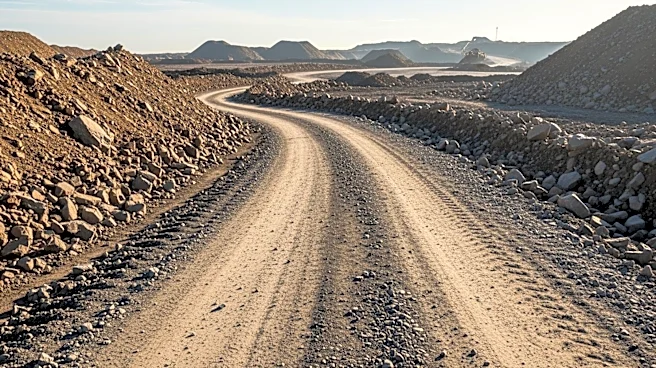
announced through a Federal Register notice, allows for public comments until June 29, 2026. The DeLamar Mining Company aims to reopen a historic mining site, potentially adding 813 acres of new surface disturbance to the 1,420 acres already affected by previous operations. The project includes plans for two open pits, waste rock disposal facilities, heap leach facilities, a water treatment plant, and road improvements. The mine could operate for approximately 19 years and employ up to 300 people at peak activity. The BLM has scheduled public meetings on June 9 in Jordan Valley, Oregon, and June 11 in Marsing, Idaho, to gather community input.
Why It's Important?
The proposed DeLamar mine is significant due to its potential economic impact on Owyhee County, a rural area where the creation of 300 jobs could substantially benefit the local economy. The project aligns with federal priorities to boost domestic mineral production, reduce reliance on foreign sources, and enhance national security. However, it also raises environmental concerns, as the new mining activities would disturb additional land. The BLM's public scoping process is crucial for balancing economic development with environmental stewardship, ensuring that community voices are heard and considered in the decision-making process. The outcome of this project could set a precedent for how similar projects are managed in the future.
What's Next?
Following the public comment period, the BLM will review the feedback to identify key issues and concerns, which will inform the preparation of a full environmental impact statement. This document will assess the potential environmental effects of the proposed mining activities and explore alternatives. The BLM's decision will consider both the economic benefits and environmental impacts, aiming to achieve a balance that aligns with its mandate to manage public lands sustainably. Stakeholders, including local residents, environmental groups, and industry representatives, will likely continue to engage in the process to influence the final decision.