







What's Happening?
Benjamin Keebler has been sentenced to federal prison for making threats against U.S. Rep. Thomas Massie and an unnamed U.S. Senator. Keebler reportedly told staff members of Representative Massie that he intended to shoot the congressman in the head.
Additionally, he threatened a U.S. Senator with a 'hammer visit.' The specific details of the threats and the exact timeline were not fully disclosed in the report, but the severity of the statements led to federal charges and a subsequent prison sentence. This case highlights the legal consequences for individuals who make violent threats against elected officials, underscoring the seriousness with which such actions are treated by federal authorities. The sentencing aims to deter similar behavior and protect public servants from potential harm.
Why It's Important?
This sentencing underscores the federal government's firm stance against threats targeting elected officials. Such actions are not only illegal but also undermine the democratic process by creating an environment of fear and intimidation for public servants. The prosecution and imprisonment of individuals like Keebler send a clear message that threats of violence against lawmakers will be met with severe legal repercussions. This is crucial for maintaining the safety and integrity of political discourse and ensuring that representatives can perform their duties without fear for their personal safety. The case also serves as a reminder of the potential dangers faced by congressional staff, who often act as the first point of contact for constituents and can be exposed to such threats.
What's Next?
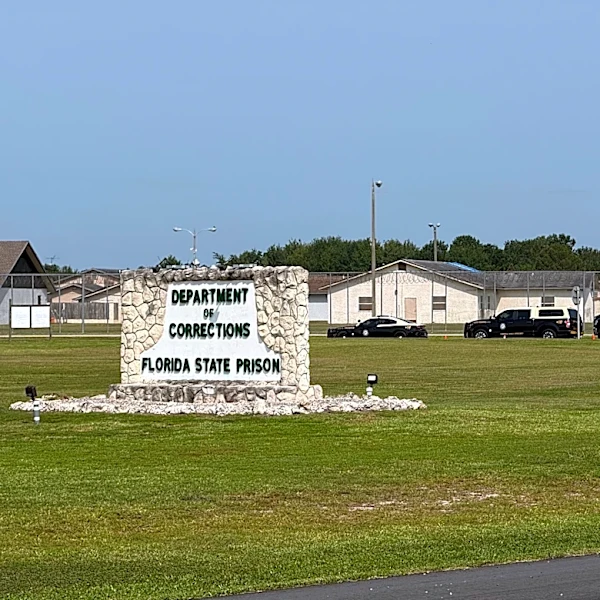
Following this sentencing, Benjamin Keebler will serve his term in federal prison. The specific length of his sentence was not detailed in the provided information, but it will involve a period of incarceration. This case may also prompt increased vigilance and security measures for congressional offices and staff, both in Washington D.C. and in district offices. Law enforcement agencies, such as the Capitol Police and the FBI, will likely continue to monitor and investigate any credible threats made against members of Congress and other federal officials. The outcome of this case could also influence public discourse regarding the appropriate boundaries of political expression and the consequences of crossing into threatening behavior.
Beyond the Headlines
The incident reflects a broader concern about the increasing polarization and intensity of political rhetoric in the United States, which can sometimes escalate into threats of violence. While freedom of speech is a fundamental right, it does not extend to making credible threats against individuals, especially public officials. This case highlights the fine line between passionate political expression and illegal intimidation. It also brings to light the psychological toll that such threats can have on elected officials and their staff, potentially impacting their willingness to engage with the public or take controversial stances. The legal system's response in this instance reinforces the principle that democratic debate must occur within a framework of safety and respect, free from the specter of violence.