
What's Happening?
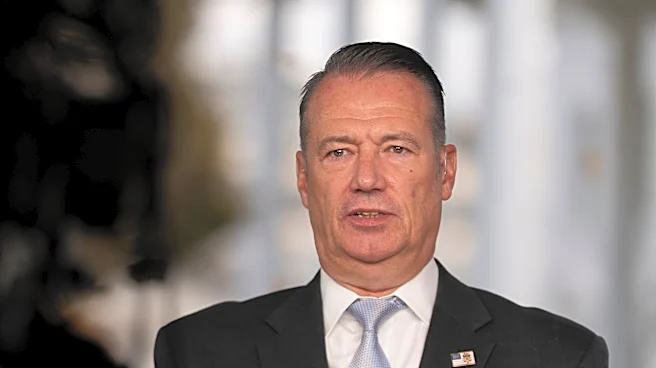
Michael Banks, the head of the U.S. Border Patrol, has announced his resignation, marking another significant leadership change within the Department of Homeland Security (DHS). Banks, who has been a key
figure in President Trump's immigration enforcement strategy, revealed his decision during a Fox News interview, which was later confirmed by DHS. His resignation is effective immediately. Banks stated that he felt he had stabilized the agency, which had been experiencing chaos at the southern border, and expressed a desire to spend more time with his family. Rodney Scott, the U.S. Customs and Border Protection commissioner, acknowledged Banks' contributions during a challenging period for border security. Banks' departure coincides with a broader reshuffling within DHS, as Todd Lyons, the acting director of U.S. Immigration and Customs Enforcement (ICE), is also set to leave, with David Venturella slated to take over. Banks' tenure was marked by his involvement in the Trump administration's aggressive immigration policies, including increased prosecutions for illegal border crossings and enhanced coordination between Border Patrol and ICE.
Why It's Important?
The resignation of Michael Banks is significant as it comes at a time when the Trump administration is recalibrating its immigration policies, which have been a central focus of its agenda. Banks played a crucial role in implementing these policies, which have faced both support and criticism. His departure could signal a shift in the administration's approach to immigration enforcement, potentially impacting the strategies and operations of the Border Patrol and ICE. The leadership changes within DHS may also affect the agency's ability to manage border security and immigration enforcement effectively. Stakeholders, including political leaders, immigration advocates, and law enforcement agencies, will be closely monitoring these developments to understand their implications for U.S. immigration policy and border security.
What's Next?
With Banks' resignation, the immediate focus will be on identifying his successor and ensuring a smooth transition in leadership. The new head of the U.S. Border Patrol will need to navigate the complexities of immigration enforcement amid ongoing political debates and public scrutiny. Additionally, the broader leadership changes within DHS, including the transition at ICE, will require careful management to maintain continuity in operations. The administration's future immigration policies and enforcement strategies will likely be influenced by these leadership changes, and stakeholders will be watching for any shifts in approach or priorities. The impact of these changes on border security and immigration enforcement will be a key area of interest for policymakers and the public.