







What's Happening?
Small towns across the U.S. are advocating for a more significant role in the national clean energy transition, with Enfield, North Carolina, leading efforts to establish a new coalition. Mayor Mondale Robinson of Enfield, a town of approximately 2,000
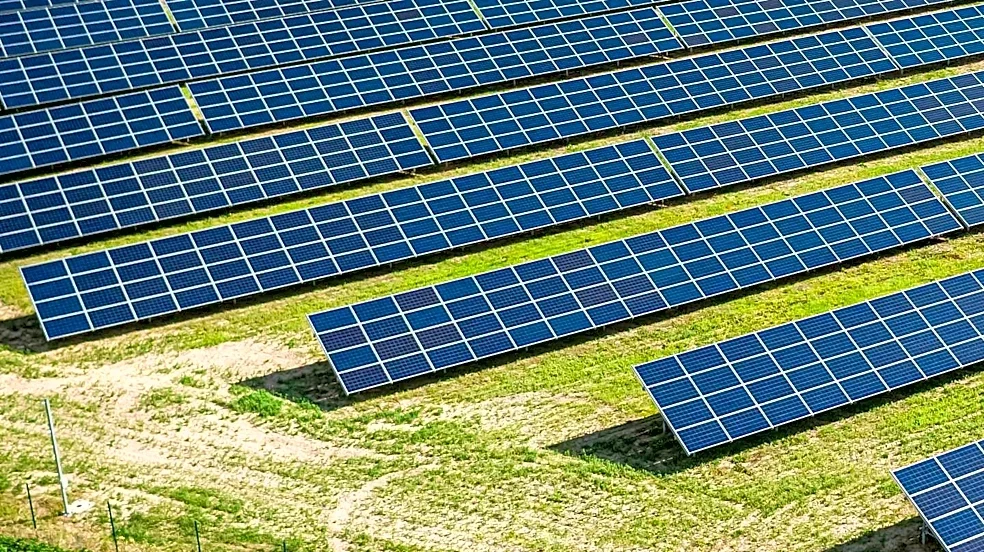
residents, has ambitious plans to develop a solar farm to power the entire community, upgrade its substation for renewable energy distribution, and implement a thermal energy network for heating and cooling. Despite Enfield's economic challenges, with an average household income near the poverty line and limited municipal resources, the town has already formed Enfield Energy Futures, a nonprofit that secured a seed grant for the thermal energy network project. This initiative could position Enfield's utility as the first in the Southeast to operate such a system. Recognizing the limitations of individual towns, Mayor Robinson announced the formation of a new small-town coalition at a Canary Media summit. This coalition aims to foster collaboration, provide training, create peer-to-peer networks, and establish a unified voice for federal advocacy, believing that collective action can overcome challenges and attract necessary resources and expertise.
Why It's Important?
The initiative by small towns to form a clean energy coalition signifies a potential shift in how renewable energy projects are conceptualized and implemented across the U.S. Historically, larger cities and state-level entities have often driven such transitions. However, this movement highlights the untapped potential and unique advantages of smaller communities, which can be more agile in testing and refining new energy models due to their minimal footprints. If successful, this coalition could influence federal policy-making, directing more funding and expert support towards rural and underserved areas. This could lead to a more equitable distribution of clean energy infrastructure and economic benefits, addressing energy poverty and climate resilience in regions often overlooked. The collective voice of thousands of organized small towns could become a powerful national constituency, reshaping the landscape of clean energy development and ensuring that the transition benefits all segments of American society, not just urban centers.
What's Next?
The newly formed small-town coalition, spearheaded by Mayor Mondale Robinson, is expected to focus on several key areas in the near future. These include developing training programs for local officials, establishing robust peer-to-peer networks for knowledge sharing, and fostering regional collaborations to tackle shared challenges. A primary objective will be to amplify their collective voice in federal advocacy, aiming to influence new policies that better support small-town clean energy initiatives. This could involve lobbying for increased federal grants, technical assistance, and regulatory frameworks tailored to the needs of smaller communities. The coalition will also likely seek to attract new donors and engage with experts to overcome hurdles related to project financing, technical design, and implementation. The success of pilot projects like Enfield's thermal energy network will be crucial in demonstrating the viability of these models and building momentum for broader adoption across other small towns.
Beyond the Headlines
The push by small towns for a greater role in clean energy extends beyond mere infrastructure development; it touches upon deeper issues of local autonomy, economic justice, and democratic participation in the climate crisis response. By organizing, these towns are asserting their agency in shaping their energy futures, rather than passively receiving solutions dictated by larger entities. This movement could foster a new model of grassroots climate action, demonstrating that effective change can originate from the local level and scale up through collective organization. Furthermore, it highlights the potential for clean energy projects to serve as catalysts for broader community development, addressing not only energy needs but also issues like housing and food insecurity. The coalition's success could challenge existing power structures in the energy sector, promoting a more decentralized and community-centric approach to energy production and distribution, ultimately strengthening local economies and resilience.