





What's Happening?
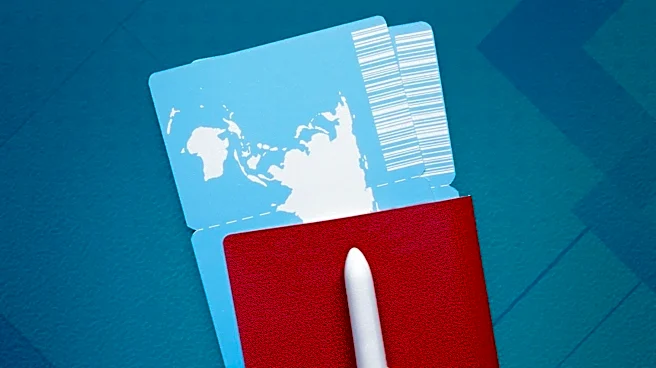
Travelers have been experiencing issues with airlines incorrectly marking them as 'no-shows,' even after completing parts of their journey. This problem has led to travelers being forced to purchase new tickets, as seen in the case of Teresa McGee, who
was labeled a 'no-show' by American Airlines despite having a boarding pass for her outbound flight. The airline initially refused to refund her original ticket, although they later offered a refund for the new ticket. This issue is not isolated, as similar cases have been reported, raising concerns about whether these errors are being used as a revenue stream by travel companies. Airlines typically cancel reservations when a passenger misses a leg of their flight, but errors in this process have caused significant inconvenience and financial loss for travelers.
Why It's Important?
The issue of incorrect 'no-show' labeling by airlines has significant implications for travelers, potentially leading to unexpected costs and travel disruptions. This situation highlights the need for better communication and error-checking processes within the airline industry to prevent such occurrences. The financial burden on travelers can be substantial, as they may have to purchase new tickets or accommodations. Additionally, the perception that airlines might be using these errors to generate additional revenue could damage consumer trust in the industry. The European Union's recent decision to bar airlines from canceling return tickets when an outbound flight is missed may prompt similar regulatory considerations in the U.S., aiming to protect consumer rights and ensure fair treatment.
What's Next?
Travelers are advised to take proactive measures to protect themselves from being incorrectly marked as 'no-shows.' This includes staying connected through airline apps, keeping boarding passes as proof of travel, and considering travel insurance to cover potential disruptions. The travel industry may face increased scrutiny and calls for regulatory changes to address these issues. Airlines might need to improve their systems and customer service practices to prevent such errors and restore consumer confidence. As the European Union's new rule takes effect, it could influence U.S. policies and lead to similar protections for American travelers.