



What's Happening?
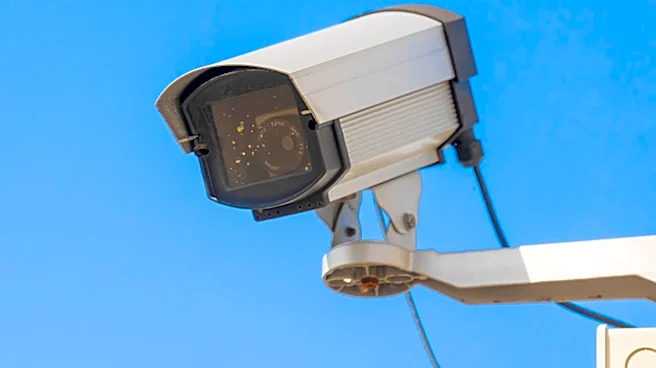
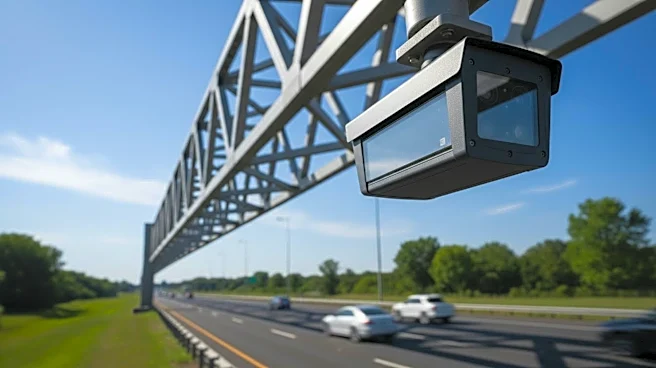
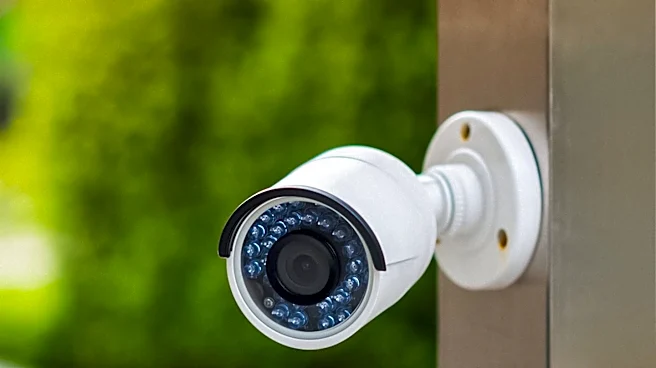
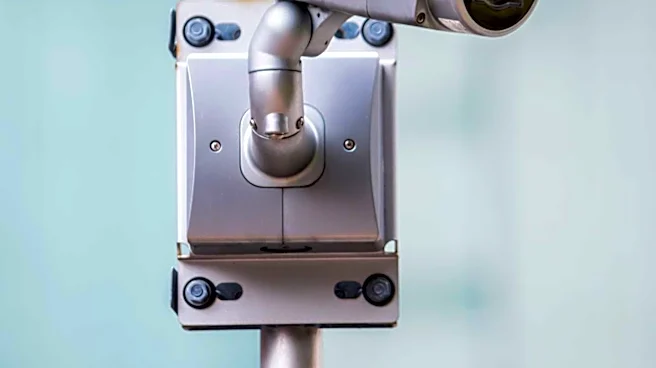
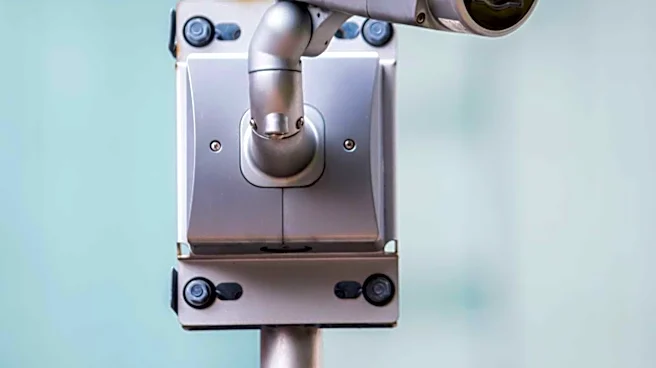
Utah Governor Spencer Cox has voiced deep concern regarding national reports of misuse of 'flock cameras,' which are license plate recognition devices. These cameras, designed as a crime-fighting tool for law enforcement, have recently become the subject
of national debate due to allegations of officers using them for personal reasons, such as stalking ex-partners or colleagues. Governor Cox stated that he shares the public's concerns about potential privacy violations stemming from these incidents. He referenced these national reports, emphasizing that Americans should be profoundly troubled by such developments. In response, he has requested a comprehensive review of Utah's existing regulations concerning flock cameras and similar surveillance technologies.
Why It's Important?
The governor's directive highlights a critical intersection of public safety, technological advancement, and individual privacy rights. Flock cameras, while intended to aid criminal investigations by tracking vehicles, pose significant civil liberties challenges when their use extends beyond their stated purpose. The alleged misuse by law enforcement officers, as reported nationally, erodes public trust in institutions and raises questions about accountability and oversight. For Utah, this review is crucial to ensure that the state's current legislation, which aims to protect citizens' privacy by limiting camera use to 'most extreme circumstances to protect life and safety,' is effectively being followed and remains adequate in preventing abuses. The outcome could influence future legislative actions, potentially setting precedents for how other states manage surveillance technology to balance security needs with privacy protections.
What's Next?
Governor Cox has tasked the state's privacy board and commission with conducting a thorough review of Utah's rules and regulations pertaining to flock cameras and similar technologies. This review will assess whether existing legislation is being adhered to and identify any gaps that might allow for misuse. Depending on the findings, the governor indicated he would support additional legislation to strengthen privacy protections if necessary. This process could lead to policy adjustments, stricter enforcement protocols, or new laws governing the deployment and access to such surveillance tools. The public and civil liberties advocates will likely monitor this review closely, anticipating reforms that could enhance safeguards against unauthorized surveillance and personal data exploitation by law enforcement.
Beyond the Headlines
The controversy surrounding flock cameras extends beyond immediate privacy concerns, touching upon broader ethical and societal implications of pervasive surveillance. The potential for these tools to be repurposed for personal vendettas or unauthorized monitoring underscores the need for robust ethical frameworks and stringent oversight mechanisms in the deployment of advanced technologies by government agencies. This situation also reflects a growing tension between the desire for enhanced security through technological means and the fundamental right to privacy in a democratic society. The debate in Utah, and nationally, could contribute to a re-evaluation of how data collected by such cameras is stored, accessed, and protected, potentially influencing national standards for digital privacy and law enforcement accountability in the age of ubiquitous surveillance.