






What's Happening?
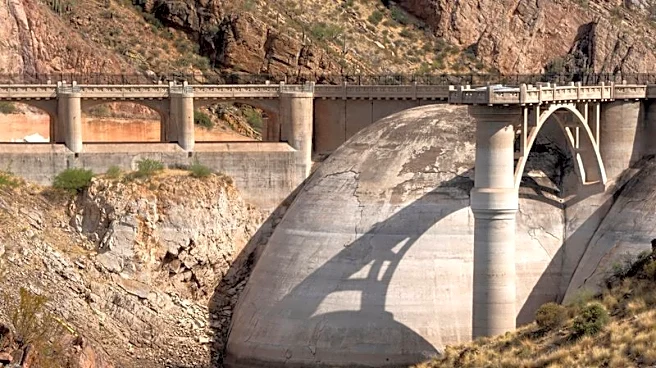
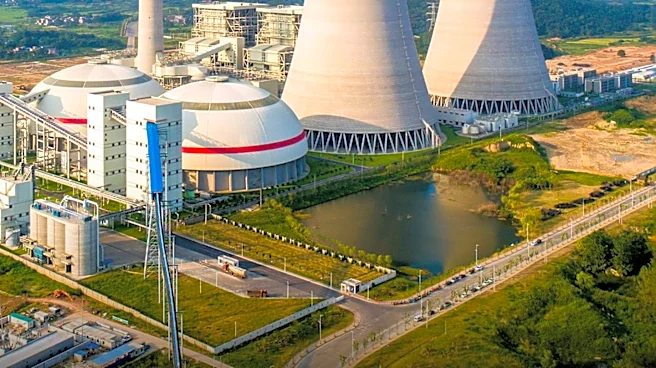
Recent cyberattacks have targeted water systems in seven U.S. states, prompting investigations by the U.S. Cybersecurity and Infrastructure Security Agency (CISA) and the FBI. These attacks have led to boil-water notices and manual operations of some
systems, although no drinking-water supplies have been contaminated or disrupted. Iran is suspected to be behind these attacks, following previous warnings from federal agencies about Iranian hackers targeting water and wastewater systems. Despite these suspicions, no formal federal announcement has identified the attacker. The scale of the attack is unprecedented, highlighting the vulnerability of water infrastructure to cyber threats.
Why It's Important?
The cyberattacks on U.S. water systems underscore the critical vulnerabilities in the nation's infrastructure, particularly in essential services like water supply. If Iran is confirmed as the perpetrator, it could escalate tensions between the U.S. and Iran, impacting diplomatic relations and potentially leading to retaliatory measures. The attacks also highlight the need for enhanced cybersecurity measures across all sectors, especially those involving critical infrastructure. Stakeholders, including government agencies and private sector partners, may need to invest more in cybersecurity to prevent future incidents and protect public safety.
What's Next?
Investigations are ongoing to confirm the identity of the attackers and assess the full impact of the cyberattacks. Federal agencies may issue new guidelines or regulations to strengthen cybersecurity protocols for critical infrastructure. There could be increased collaboration between government and private sectors to develop more robust defenses against such threats. Additionally, diplomatic channels may be used to address the issue with Iran, potentially leading to international discussions on cybersecurity norms and agreements.