




What's Happening?
U.S. Representative Robin Kelly is actively advocating for the expedited development of the South Suburban Airport (SSA) in Illinois. During a news conference, she joined other leaders, including an outgoing Congresswoman, an incoming Congresswoman, Illinois state
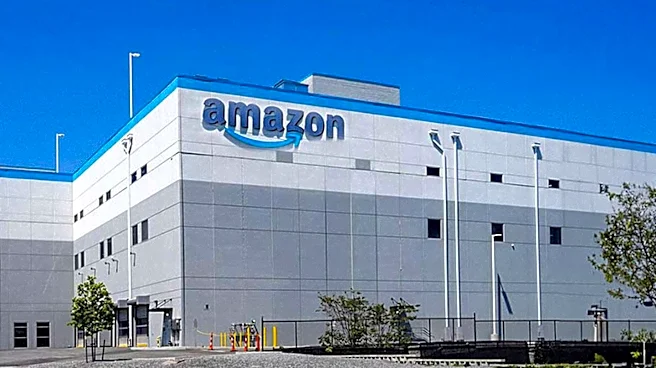
representatives, south suburban mayors, business owners, civil rights organizations, and residents, to press Governor J.B. Pritzker to prioritize the project. The call for action stems from a 30-year delay in the airport's development, despite the Federal Aviation Administration's (FAA) warnings about O'Hare Airport's flight capacity. Speakers at the event highlighted the region's potential as a logistics hub, noting the presence of 21 Amazon fulfillment centers in the Chicago Southland. They argued that a fully operational SSA, whether for cargo, passenger, or both, is crucial for the region's economic growth and to prevent Illinois from underperforming. The expansion of Bult Field near Monee is envisioned to accommodate the SSA, with 90% of the land already acquired under previous governors. The project aims to create North America's first net-zero carbon airport.
Why It's Important?
The push to fast-track the South Suburban Airport is significant for the economic development and infrastructure of the Chicago Southland region and the broader U.S. The proposed airport is projected to create approximately 6,300 jobs, according to a study by the Illinois Economic Policy Institute, which would provide a substantial boost to local employment and economic activity. The current caps on flights at O'Hare Airport, as ordered by the Department of Transportation, underscore the urgent need for additional air cargo and passenger capacity in the region. Developing the SSA would alleviate pressure on existing airports, enhance the region's competitiveness as a logistics hub, and attract further investment. Furthermore, the ambition to make it North America's first net-zero carbon airport positions the project as a model for sustainable infrastructure development, aligning with national environmental goals and potentially setting new industry standards. The long-standing delay in the project's realization has hindered regional growth, and its acceleration could unlock significant economic potential for Illinois.
What's Next?
The immediate next step for the South Suburban Airport project involves continued pressure on Governor J.B. Pritzker and state authorities to prioritize its development. The collective voice of U.S. Representative Robin Kelly and other community leaders indicates a strong political and public will for the project to move forward. Stakeholders will likely continue to highlight the economic benefits and the strategic importance of the airport, especially in light of O'Hare's flight limitations. The comparison to the fast-tracked Psi Quantum Campus development, which received substantial state funding, suggests a precedent for rapid project execution if there is sufficient political commitment. Future actions may include further legislative efforts, public awareness campaigns, and direct negotiations with the Governor's office to secure the necessary funding and regulatory approvals. The project's success hinges on overcoming bureaucratic hurdles and securing the political will to invest in this long-delayed infrastructure initiative.
Beyond the Headlines
The debate surrounding the South Suburban Airport extends beyond immediate economic benefits, touching upon critical aspects of regional planning, environmental sustainability, and equitable development. The aspiration to create North America's first net-zero carbon airport reflects a growing national emphasis on green infrastructure and climate-conscious development, potentially influencing future airport projects across the U.S. However, the 30-year delay in its development also highlights the challenges of long-term infrastructure planning and execution in the U.S., often hampered by political shifts, funding complexities, and competing regional interests. The project's potential to transform the Southland region into a major logistics hub could lead to significant demographic and economic shifts, raising questions about urban planning, resource allocation, and ensuring that the benefits are equitably distributed among local communities. This initiative could serve as a case study for how large-scale infrastructure projects can balance economic growth with environmental responsibility and community development.