






What's Happening?
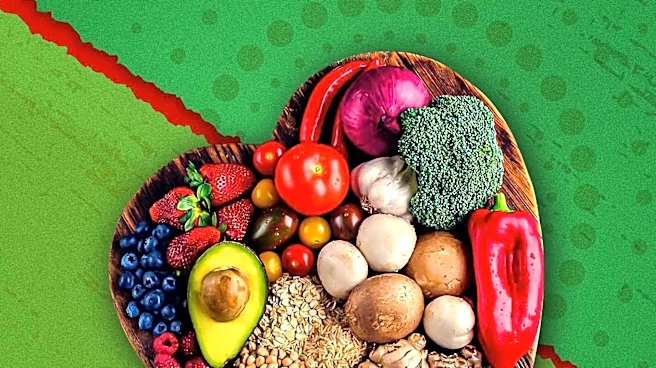
The Mediterranean diet, characterized by its emphasis on whole foods such as fruits, vegetables, whole grains, legumes, nuts, and olive oil, has been identified as beneficial for gut health, particularly during pregnancy and for individuals managing inflammatory
bowel disease (IBD). This dietary pattern is rich in fiber and antioxidants, which are crucial for maintaining a healthy gut microbiome. According to UNC Health gastroenterologist Nannaya Jampala, MD, while no diet can completely prevent IBD symptoms, the Mediterranean diet and the more restrictive Specific Carbohydrate Diet have shown positive effects. The diet's benefits extend to cardiovascular health and may reduce the risk of metabolic syndrome, supporting both maternal and fetal well-being. For pregnant individuals with IBD, discussing medication safety with a doctor is essential, as some treatments like JAK inhibitors and methotrexate are not considered safe during pregnancy, though other options are available.
Why It's Important?
The promotion of the Mediterranean diet as a tool for gut health and IBD management has significant implications for public health and individual well-being in the U.S. Given that approximately 3 million adults in the U.S. are affected by IBD, and these rates are increasing, dietary interventions that can help manage symptoms and improve quality of life are crucial. The diet's focus on nutrient-dense, anti-inflammatory foods offers a non-pharmacological approach to support digestive health, potentially reducing reliance on medications or complementing existing treatments. For pregnant individuals, adopting this diet can contribute to better health outcomes for both mother and child, addressing concerns about medication safety during gestation. This dietary approach also aligns with broader health recommendations for cardiovascular health, suggesting a holistic benefit that can impact a wide demographic.
What's Next?
Individuals experiencing chronic gastrointestinal symptoms are advised to consult their doctor for proper diagnosis and treatment. For those with IBD, regular follow-ups with a healthcare provider are essential to manage the condition effectively and prevent complications. While medication remains a cornerstone of IBD treatment, lifestyle changes, including dietary adjustments like adopting the Mediterranean diet, will continue to be recommended as complementary strategies. Further research may explore the specific mechanisms through which the Mediterranean diet impacts the gut microbiome and its long-term effects on IBD progression and pregnancy outcomes. Healthcare providers are likely to increasingly integrate dietary counseling into treatment plans for IBD patients and pregnant individuals to optimize health.
Beyond the Headlines
The emphasis on the Mediterranean diet highlights a growing recognition of the profound connection between diet, gut health, and overall systemic well-being. This extends beyond managing specific conditions like IBD to influencing broader health markers such as cardiovascular health and metabolic function. The diet's accessibility, relying on widely available whole foods rather than specialized products, makes it a sustainable and equitable health intervention. Ethically, promoting such a diet empowers individuals to take a more active role in their health management through informed food choices. Culturally, it encourages a shift towards traditional eating patterns that prioritize fresh, unprocessed ingredients, potentially counteracting the prevalence of highly processed foods in modern diets and fostering a more preventative approach to health.