







What's Happening?
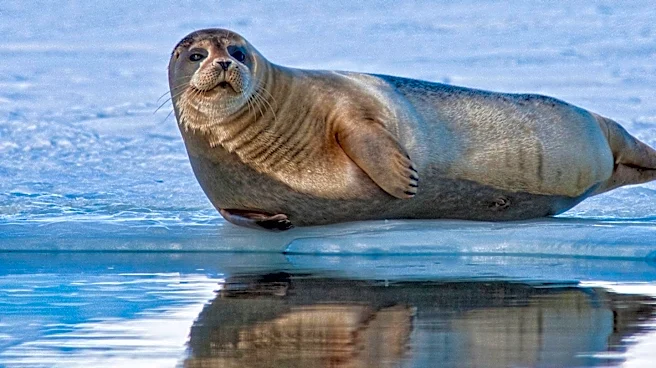
A man was filmed throwing a dead fish at a three-meter leopard seal on Petone Beach, New Zealand, an act that could lead to significant legal penalties. The incident, captured on video and shared on social media, occurred over a weekend when the seal attracted
hundreds of spectators. Despite warnings from onlookers, the man reportedly encouraged others to 'feed the bugger' after throwing the fish. The Department of Conservation (DOC) has advised the public to maintain a distance of at least 20 meters from leopard seals and refrain from feeding or throwing objects at them. Harassing marine mammals is an offense under the Marine Mammals Protection Act 1978 (MMPA), carrying a maximum penalty of two years' imprisonment or a fine of $250,000. The seal, identified as a female, has since left the beach. Marine biologist Georgia Stewart expressed concern over dogs getting too close to the apex predator, noting that dog owners whose pets attack a seal could also face prosecution.
Why It's Important?
This incident highlights critical issues regarding public interaction with wildlife and the enforcement of conservation laws. The disregard for the leopard seal's welfare and the potential danger posed by human and pet interference underscore the need for greater public education on marine mammal protection. Leopard seals are apex predators, and their presence on beaches, while a magnificent sight, requires respectful distance to ensure both human and animal safety. The legal ramifications for disturbing marine mammals are severe, reflecting the importance placed on their protection. The event also brings to light the challenges faced by conservation authorities in managing public behavior around wildlife, especially when individuals ignore guidelines and laws. The potential for dogs to attack seals, and the subsequent legal consequences for owners, emphasizes the broader responsibility of pet control in areas where wildlife is present.
What's Next?
The Department of Conservation (DOC) is actively following up on reports of the man throwing a fish at the leopard seal and other instances of dogs approaching or potentially attacking the animal. Investigations will likely determine if charges will be laid under the Marine Mammals Protection Act 1978 (MMPA). This could result in the man facing a substantial fine or imprisonment. Furthermore, dog owners whose pets were involved in close encounters or aggressive behavior towards the seal may also face prosecution. The incident may prompt increased public awareness campaigns by DOC regarding safe and legal interactions with marine wildlife, particularly during periods when seals are more commonly sighted on New Zealand shores. Local authorities might also consider implementing stricter measures or increased patrols in areas known for wildlife sightings to prevent similar occurrences.
Beyond the Headlines
The incident on Petone Beach transcends a simple act of animal harassment, revealing deeper societal attitudes towards wildlife and environmental stewardship. The reported lack of concern from some individuals, who claimed 'no rules' applied, points to a potential disconnect between legal frameworks and public understanding or acceptance of conservation ethics. This event could serve as a catalyst for broader discussions on how to foster a culture of respect for nature, especially when human and wildlife habitats increasingly overlap. Ethically, the act of provoking a wild animal raises questions about human responsibility and the moral imperative to protect vulnerable species. Legally, the enforcement of the MMPA in such a public and documented case could set a precedent, reinforcing the seriousness with which New Zealand treats its marine biodiversity. Culturally, the presence of leopard seals, typically Antarctic inhabitants, on New Zealand beaches offers a unique opportunity for public engagement with climate change and marine ecosystem health, underscoring the interconnectedness of global environments.