




What's Happening?
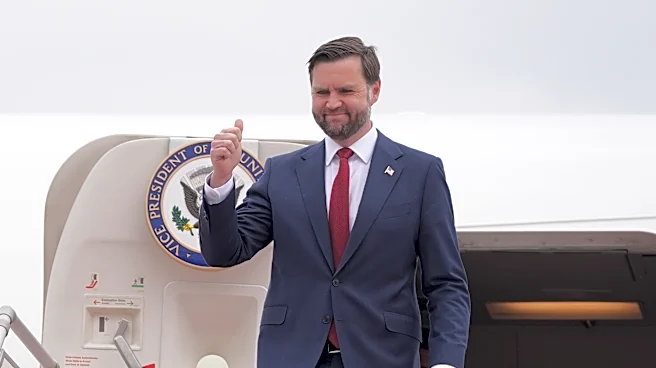
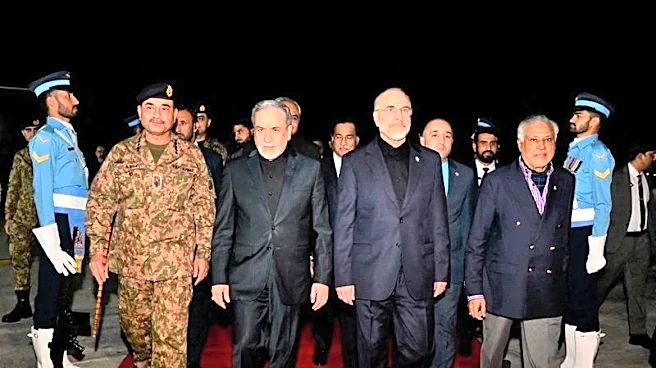
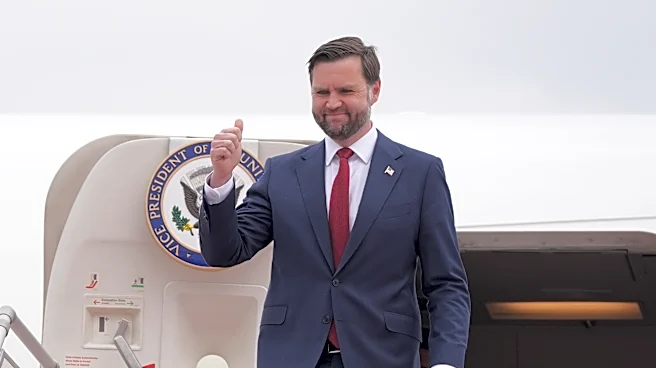
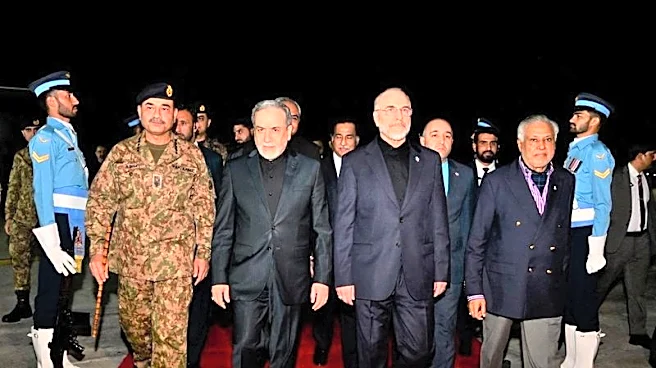
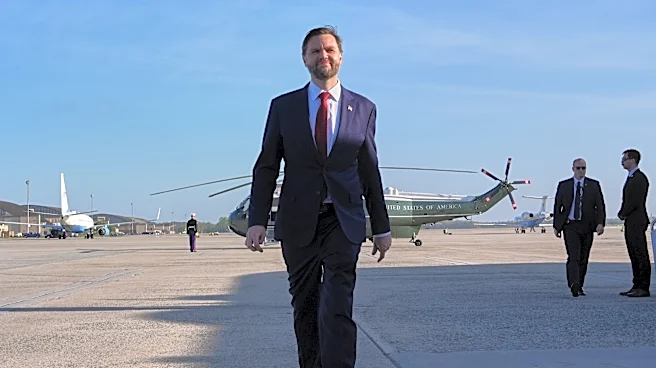
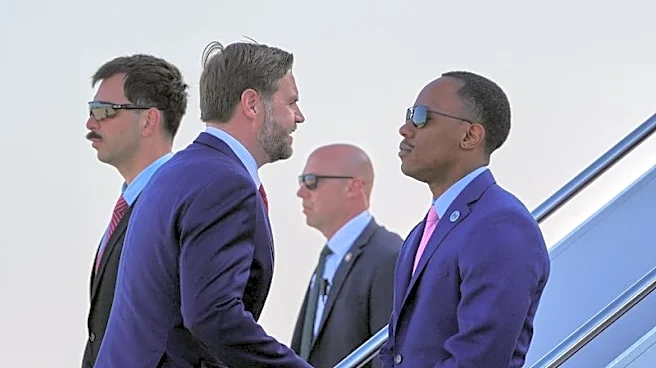
Senior officials from the United States and Iran have arrived in Islamabad, Pakistan, for crucial ceasefire talks as violence continues in the region. The U.S. delegation, led by Vice President JD Vance, includes special envoy Steve Witkoff and Jared
Kushner. The Iranian delegation is headed by Parliament Speaker Mohammad Bagher Ghalibaf and Foreign Minister Abbas Araghchi. The talks aim to address ongoing tensions, with the U.S. expressing readiness to negotiate if Iran acts in good faith. Despite the diplomatic efforts, the situation remains volatile, with recent Israeli attacks in Lebanon resulting in significant casualties. Iran demands a ceasefire in Lebanon and the release of its blocked assets as part of the negotiations.
Why It's Important?
These talks are pivotal as they could determine the future of U.S.-Iran relations and regional stability. The conflict has already led to significant loss of life and economic disruption, particularly affecting global oil supplies due to Iran's control over the Strait of Hormuz. A successful negotiation could ease tensions and lead to the reopening of the strait, stabilizing energy markets. However, the deep distrust between the U.S. and Iran poses a significant challenge. The outcome of these talks could also influence U.S. domestic politics, as economic pressures from rising consumer prices add urgency to finding a resolution.
What's Next?
The negotiations are expected to continue with both sides presenting their demands. The U.S. is likely to push for a quick resolution to ease economic pressures, while Iran seeks assurances regarding its regional influence and economic sanctions. The international community, including countries like France and Turkey, is advocating for a diplomatic solution. The U.S. has also indicated a readiness to resume military actions if talks fail, adding pressure on Iran to negotiate. The current ceasefire is set to expire on April 21, making the outcome of these talks critical for future peace efforts.