






What's Happening?
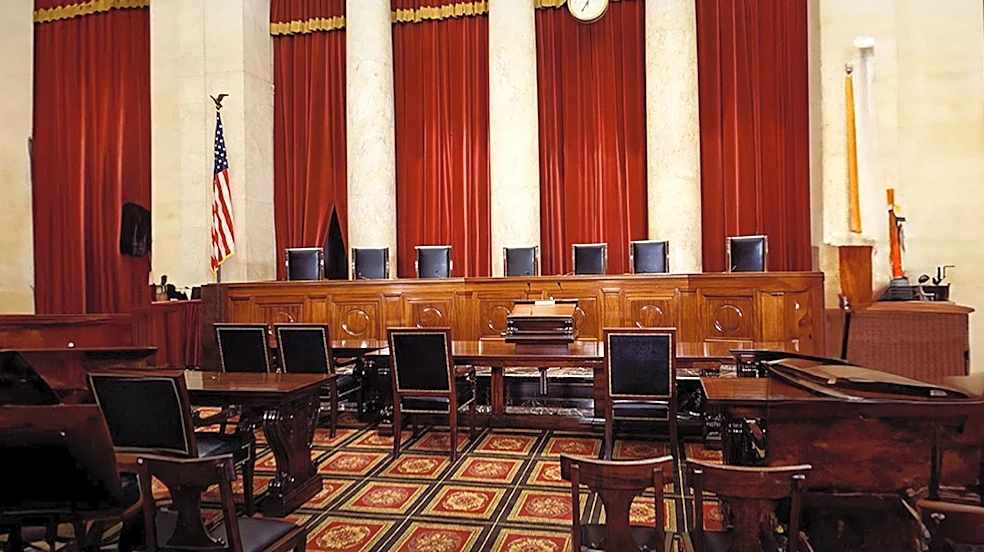
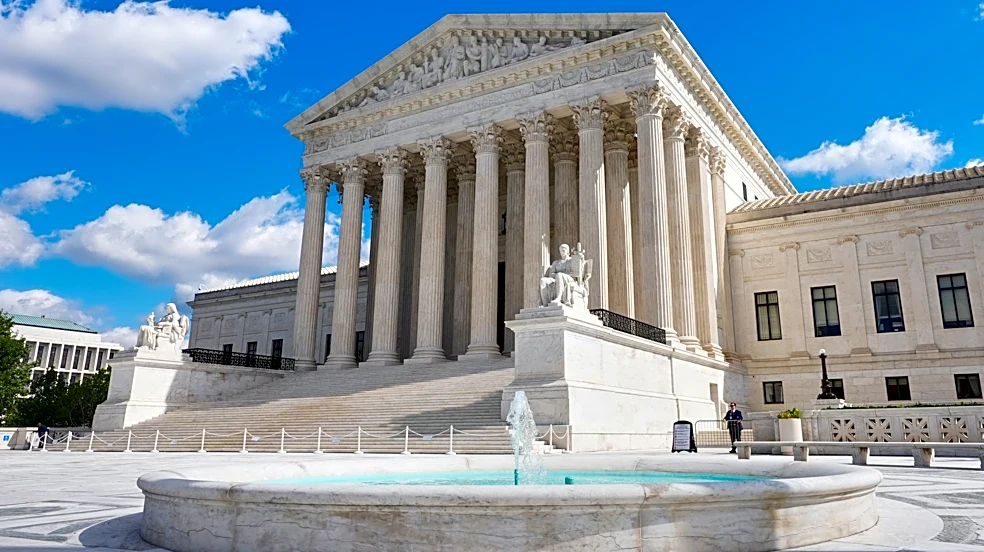
The U.S. Supreme Court was unable to consider a copyright law dispute due to a lack of quorum, as four justices recused themselves. Justices Sonia Sotomayor, Neil Gorsuch, Amy Coney Barrett, and Ketanji Brown Jackson did not participate in the consideration
of a petition brought by BMG Rights Management LLC and other publishers. The recusals stemmed from the fact that BMG Rights is owned by Bertelsmann SE, a German media conglomerate that also owns Penguin Random House, the U.S. publishing giant that has published books authored by these four justices. This includes memoirs by Justice Jackson and Justice Barrett published in 2024 and 2025, respectively. The court's inability to hear the case resulted in the affirmation of a lower court ruling, specifically the Fifth Circuit's decision in BMG Rights Mgmt. LLC v. Vetter. This ruling allowed Cyril Vetter, co-writer of the 1960s song 'Double Shot (Of My Baby’s Love),' to reclaim worldwide rights to the song, bucking a long-running consensus in other circuits.
Why It's Important?
This development carries significant implications for the valuation of creative works with global markets, such as music and movie franchises. The Supreme Court's decision not to definitively answer whether creators can reclaim foreign rights after terminating their deals creates uncertainty across various creative industries. The Fifth Circuit's ruling, which found that creators can reclaim foreign rights, diverges from the consensus established by district courts in the Ninth and Second circuits. This circuit split is expected to lead to increased litigation as creators attempt to reclaim rights abroad and will likely spur 'forum-shopping' as parties seek favorable jurisdictions. Attorneys note that this ambiguity will have a real impact on the business side of things, affecting how future rights are valued and potentially leading to a 'race to the courthouse.' The situation also highlights how the justices' outside activities, such as book deals, can have far-reaching consequences, potentially preventing the court from addressing critical legal disputes.
What's Next?
The lack of a definitive ruling from the Supreme Court means that the circuit split regarding the reclamation of foreign rights will persist, leading to continued legal uncertainty in the creative industries. Intellectual property law professors anticipate more litigation as creators seek to apply the 'Vetter rationale' in other circuits. Businesses involved in music, movie, and photo industries will need to navigate this ambiguous legal landscape, potentially adjusting their valuation models for intellectual property. The situation may also prompt further discussion and scrutiny regarding the ethical implications of Supreme Court justices' external financial activities, particularly book deals, and their potential to create conflicts of interest that impact the court's ability to function. While the court did not offer specific reasons for the recusals, the connection to Bertelsmann SE and its publishing arm is clear, suggesting that similar situations could arise in future cases involving companies with ties to the justices' publishers.
Beyond the Headlines
The incident underscores a broader ethical and structural challenge within the U.S. judicial system, particularly concerning the Supreme Court. The lucrative nature of book deals for justices, with most having authored or signed contracts for books, creates a potential for conflicts of interest that can impede the court's ability to hear and decide cases. This situation raises questions about the transparency and accountability of justices' financial dealings and how these activities might influence judicial impartiality or the perception of it. The inability to form a quorum in a significant copyright case due to these external ties highlights the need for clear guidelines or stricter regulations regarding justices' outside income and affiliations. It also brings to light the tension between a justice's right to engage in personal endeavors and the imperative to maintain the integrity and functionality of the highest court in the land, especially when such endeavors intersect with the interests of litigants.