

What's Happening?
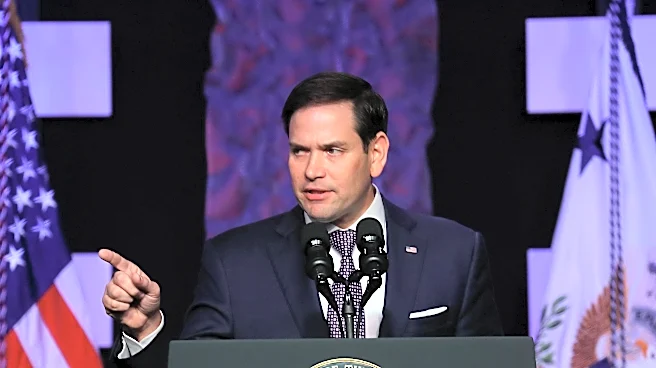
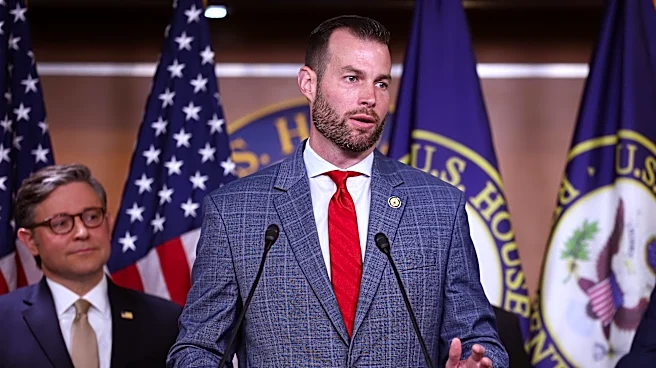
U.S. Representative Jim Himes (D-CT), Ranking Member of the House Permanent Select Committee on Intelligence, issued a statement regarding a series of recent high-profile computer network outages. These outages affected various systems, including Microsoft
Outlook, an Air Traffic Control system, JP Morgan Chase, and an internal National Security Agency system. Congressman Himes clarified that, based on his role on the House Intelligence Committee, there is no evidence to suggest these outages were the result of malicious actors. Instead, the owners of the affected systems have publicly acknowledged that the disruptions were caused by internal actions. He stressed the real risk of disruptive cyberattacks and the urgent need to harden critical infrastructure against such threats.
Why It's Important?
Congressman Himes' statement is significant because it addresses public concerns about cybersecurity in the wake of multiple system failures, providing reassurance that these specific incidents were not cyberattacks. However, it simultaneously underscores the persistent and growing threat of cyberattacks, particularly with the rapid advancement of highly capable AI models. The statement highlights that these AI models accelerate both attackers' and defenders' abilities to discover vulnerabilities and create exploits. This necessitates a greater urgency in regularly patching systems, which, while crucial for security, can also lead to more frequent outages. The balance between rapid patching for security and maintaining system stability is a critical challenge for U.S. infrastructure and businesses.
What's Next?
The ongoing development of highly capable AI models will continue to influence the cybersecurity landscape, requiring continuous adaptation from both government and private sectors. Congressman Himes' emphasis on hardening critical infrastructure suggests that legislative and policy efforts may focus on mandating or incentivizing stronger cybersecurity measures across various sectors. The increased pace of vulnerability discovery and patching is expected to continue, potentially leading to more frequent, albeit necessary, disruptions. Organizations will need to prioritize resilience and preparedness for both internal errors and external attacks, investing in robust IT infrastructure and incident response plans.
Beyond the Headlines
The statement by Congressman Himes points to a deeper, evolving challenge in the digital age: the double-edged sword of technological advancement. While AI offers powerful tools for defense, it also empowers potential adversaries, creating an arms race in cybersecurity. This dynamic raises ethical questions about the development and deployment of AI, particularly open-weight models, and their potential misuse. Furthermore, the acknowledgment that internal actions caused these outages highlights the importance of human factors, operational procedures, and system complexity in cybersecurity, not just external threats. The long-term implication is a continuous, resource-intensive effort to maintain digital security and resilience in an increasingly interconnected and AI-driven world.