
What's Happening?
The Philippine economy has experienced a significant slowdown, with GDP growth recorded at 2.3% in the second quarter, marking its weakest performance in over five years. This downturn is attributed to an energy shock resulting from the ongoing conflict
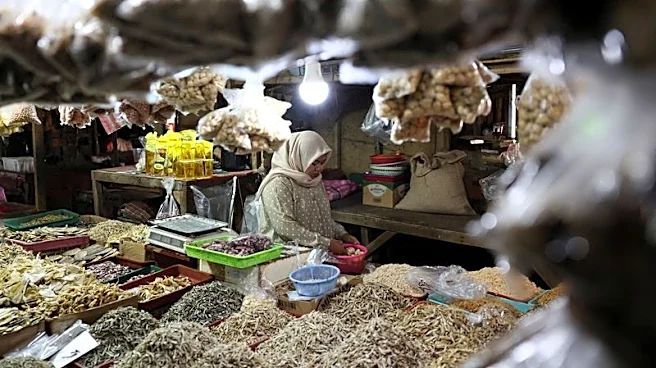
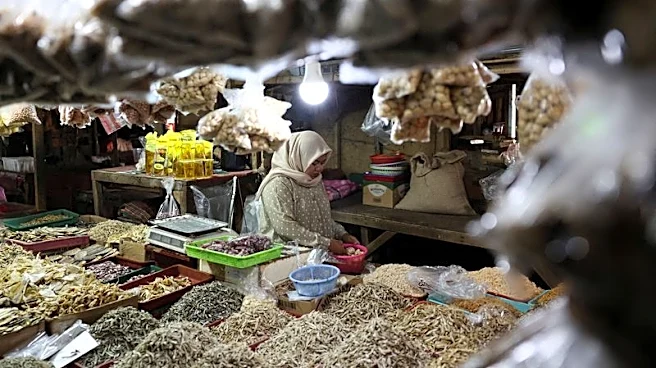
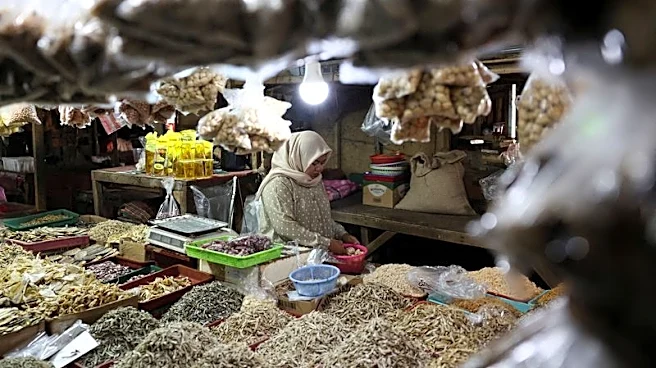
in Iran, coupled with inflationary pressures and reduced public spending due to a corruption scandal. The economic challenges are further exacerbated by a weak peso, which has contributed to rising living costs and a subsequent decline in consumer spending, a critical component of the Philippine economy.
Why It's Important?
The slowdown in the Philippine economy is a cause for concern as it highlights vulnerabilities in the region's economic stability. The energy shock and inflation are not only affecting the Philippines but also have broader implications for Southeast Asia, where similar economic pressures are being felt. The situation underscores the need for effective economic policies to mitigate the impact of external shocks and internal challenges. The reduced consumer spending could lead to a contraction in economic activity, affecting businesses and employment rates, and potentially leading to a more prolonged economic downturn.
What's Next?
The Philippine government may need to implement measures to stimulate economic growth, such as tax exemptions or increased public spending, to counteract the current slowdown. Additionally, addressing the underlying issues of corruption and improving energy security could be crucial steps in stabilizing the economy. The situation also calls for regional cooperation among Southeast Asian nations to address shared economic challenges and enhance resilience against external shocks.