







What's Happening?
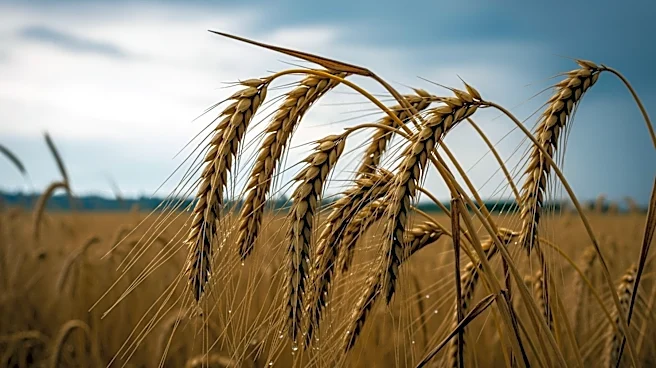
The National Agriculture Fair has commenced in Raisen, drawing participation from farmers, scientists, startups, and agricultural experts from across India. The event, held at the Dussehra Ground, spans three days from April 11 to April 13, and aims to showcase
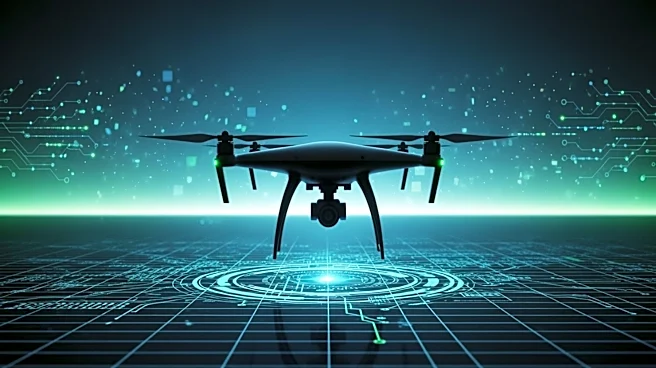
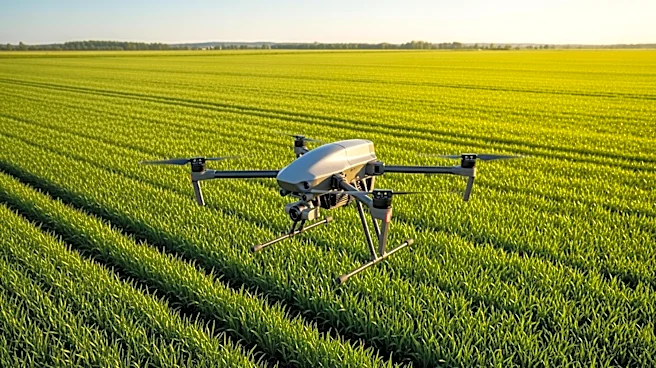
the latest advancements in farming technologies. Key figures such as Defence Minister Rajnath Singh, Madhya Pradesh Chief Minister Dr Mohan Yadav, and Union Agriculture Minister Shivraj Singh Chouhan are scheduled to attend the inaugural session. The fair features over 300 stalls covering various sectors including agriculture, horticulture, irrigation, fertilizers, seeds, pesticides, farm mechanization, and crop insurance. A significant highlight is the live demonstration of drone technology and micro-irrigation systems, designed to familiarize farmers with modern tools that can improve productivity and reduce costs.
Why It's Important?
The National Agriculture Fair serves as a crucial platform for promoting modern farming practices and bridging the gap between traditional agriculture and emerging technologies. By showcasing innovations such as drone technology and micro-irrigation systems, the event aims to enhance farmer productivity and sustainability. The participation of senior Union and state leaders underscores the importance of the fair in driving agricultural advancements. Additionally, the involvement of institutions like Krishi Vigyan Kendras, state agricultural universities, NABARD, and NAFED highlights the collaborative effort to support farmers in adopting technology-driven agriculture. This initiative aligns with government efforts to increase farmer income and promote sustainable farming practices.
What's Next?
The fair will continue to host free training sessions, startup presentations, and interactive discussions with agricultural scientists over the three days. These activities are expected to provide farmers with practical exposure to new income streams and efficient farming practices. The focus on technology-driven agriculture is anticipated to encourage farmers to adopt modern tools and techniques, potentially leading to increased productivity and reduced costs. As the event progresses, stakeholders will likely evaluate the impact of these demonstrations and consider further initiatives to support the integration of technology in agriculture.
Beyond the Headlines
The emphasis on drone technology and micro-irrigation systems at the National Agriculture Fair reflects a broader trend towards precision agriculture, which aims to optimize field-level management regarding crop farming. This shift could lead to significant changes in how farmers approach crop production, potentially reducing resource use and environmental impact. The fair also highlights the importance of animal husbandry, with indigenous cattle and goat breeds on display, offering insights into sustainable livestock management. These developments may contribute to long-term shifts in agricultural practices, promoting a more sustainable and efficient farming ecosystem.