



What's Happening?
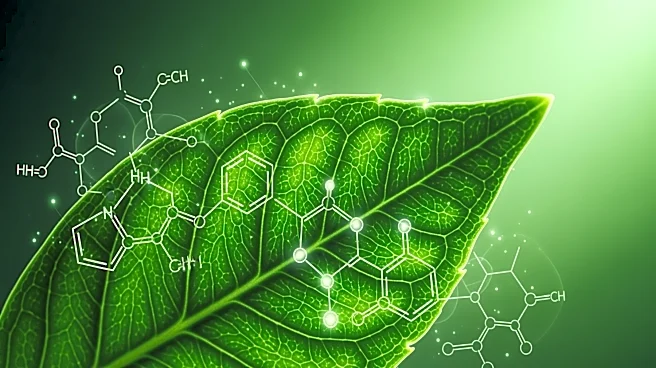
Researchers at UBC Okanagan have made a significant breakthrough in understanding how plants produce mitraphylline, a rare compound with potential cancer-fighting properties. Mitraphylline is part of a unique class of plant chemicals known as spirooxindole
alkaloids, which are noted for their complex structures and biological effects, including anti-inflammatory and anti-tumor activities. The research team, led by Dr. Thu-Thuy Dang, identified two critical enzymes that are essential in the production of mitraphylline. This discovery answers longstanding questions about the molecular processes plants use to create these compounds and opens new avenues for replicating them in laboratories. The research was a collaborative effort with the University of Florida and received funding from several Canadian and U.S. institutions.
Why It's Important?
The discovery of the enzymes responsible for producing mitraphylline is crucial because it provides a sustainable method to produce this compound, which is found only in trace amounts in certain tropical trees. This advancement could significantly impact the pharmaceutical industry by enabling the production of mitraphylline and similar compounds in larger quantities, making them more accessible for medical research and potential therapeutic use. The ability to produce these compounds sustainably could lead to new treatments for cancer and other diseases, benefiting public health and reducing reliance on natural sources that are difficult to cultivate.
What's Next?
Following this breakthrough, researchers plan to adapt the molecular tools discovered to create a broader range of therapeutic compounds. This could involve further collaboration with international research groups and additional funding to explore the full potential of these plant-derived compounds. The next steps will likely focus on optimizing the production process and exploring the therapeutic applications of mitraphylline and related compounds in clinical settings.
Beyond the Headlines
This discovery highlights the potential of plant-based compounds in modern medicine and underscores the importance of interdisciplinary and international collaboration in scientific research. It also raises ethical considerations regarding the sustainable use of natural resources and the need for equitable access to the benefits of such discoveries. The research exemplifies how traditional knowledge and modern science can converge to address contemporary health challenges.