




What's Happening?
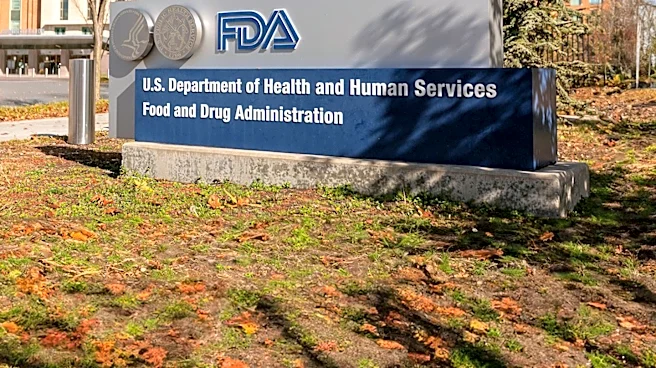
The Food and Drug Administration (FDA) is proposing stricter regulations for direct-to-consumer (DTC) prescription drug advertisements. In its 2027 budget request, the FDA seeks authority to designate prescription drugs as 'misbranded' under the Federal
Food, Drug, and Cosmetic (FD&C) Act if their DTC ads lack 'fair balance' or create a misleading impression regarding FDA approval, the scope of approved indications, limitations of use, or the drug's efficacy and benefits. This builds on a 1969 regulation requiring broadcast drug ads to present risks and benefits in a clear, conspicuous, and neutral manner. Additionally, the FDA has proposed eliminating the 'adequate provision' standard, which currently allows broadcast ads to direct consumers to other sources for full risk information. The new proposal, included in the 2026 Regulatory Plan, would require broadcast ads to disclose all relevant risk and safety information within the ad itself.
Why It's Important?
These proposed changes are significant for both consumers and the pharmaceutical industry. For consumers, stricter advertising rules aim to ensure they receive more comprehensive and balanced information about prescription drugs, reducing the potential for misleading impressions and promoting informed healthcare decisions. For pharmaceutical companies, these regulations could necessitate substantial changes to their advertising strategies and compliance practices. Industry experts suggest that requiring all risk information within a short broadcast ad could effectively act as a 'de facto broadcast ban,' potentially shifting advertising budgets to other mediums. This could impact how drug companies market their products and how patients learn about new treatments, affecting public health outcomes and the competitive landscape of the pharmaceutical market.
What's Next?
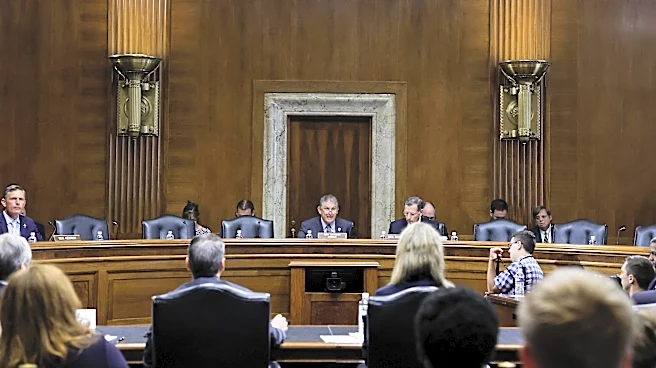
The FDA's budget request and proposed rule are currently under consideration. If approved, pharmaceutical companies will need to adapt their DTC advertising campaigns to comply with the new 'fair balance' and comprehensive disclosure requirements. This could lead to a re-evaluation of advertising content, length, and placement. Lobbyists for drug companies are actively engaging with Congress on these issues, highlighting the potential impact on the industry. Additionally, legislative efforts, such as the 'Protecting Patients from Deceptive Drug Ads Act' introduced by Senators Durbin and Marshall, indicate a broader interest in curtailing misleading drug advertisements. The outcome of these regulatory and legislative discussions will shape the future of prescription drug advertising in the U.S.
Beyond the Headlines
The debate over DTC drug advertising touches on fundamental questions about consumer autonomy, corporate responsibility, and the role of regulation in healthcare. While proponents argue that DTC ads empower patients with information, critics contend they can lead to over-prescription, inappropriate drug use, and increased healthcare costs. The proposed changes reflect a growing concern about the potential for advertising to influence patient expectations and physician prescribing patterns. This regulatory shift could also prompt a broader discussion about the ethical implications of marketing prescription drugs directly to the public, potentially influencing how other regulated industries approach consumer communication and transparency. The long-term impact could be a more cautious and information-rich advertising environment for pharmaceuticals.