



What's Happening?
Meteorologists are forecasting a potentially record-breaking El Nino event, which could lead to unprecedented weather patterns globally. According to Jeff Berardelli, a Chief Meteorologist and Climate Specialist, this El Nino could result in weather events
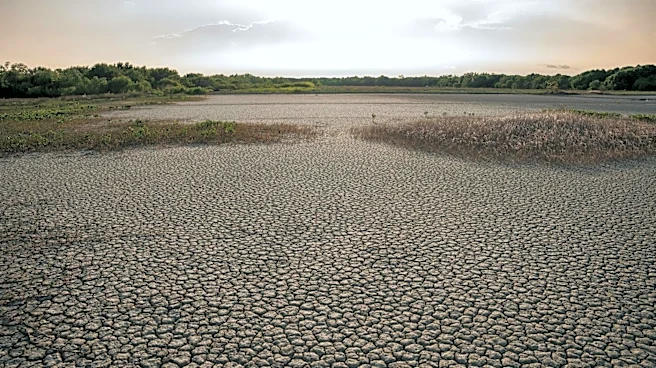
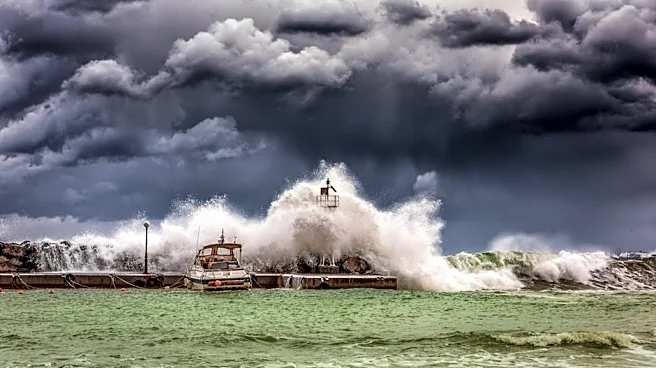
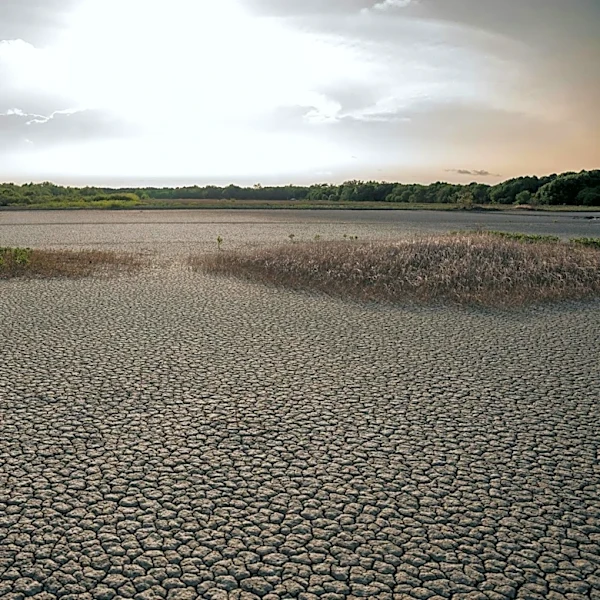
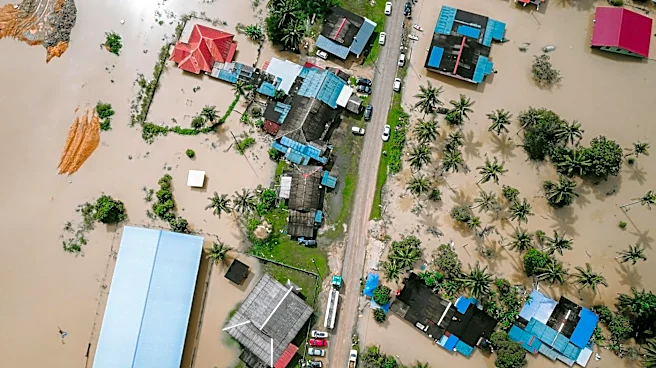
not seen in modern history. The World Meteorological Organization (WMO) has indicated that the event is expected to develop mid-year, affecting global temperature and rainfall patterns. El Nino, characterized by the warming of the equatorial Pacific, typically occurs every two to seven years and lasts around nine to 12 months. The WMO's Global Seasonal Climate Update shows rising sea-surface temperatures, with high confidence in the onset of El Nino, followed by further intensification. This event could lead to stronger heat waves, worsening droughts, and more intense floods due to increased moisture in the air.
Why It's Important?
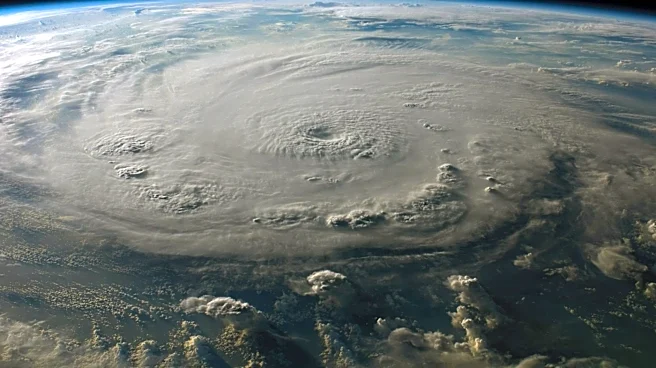
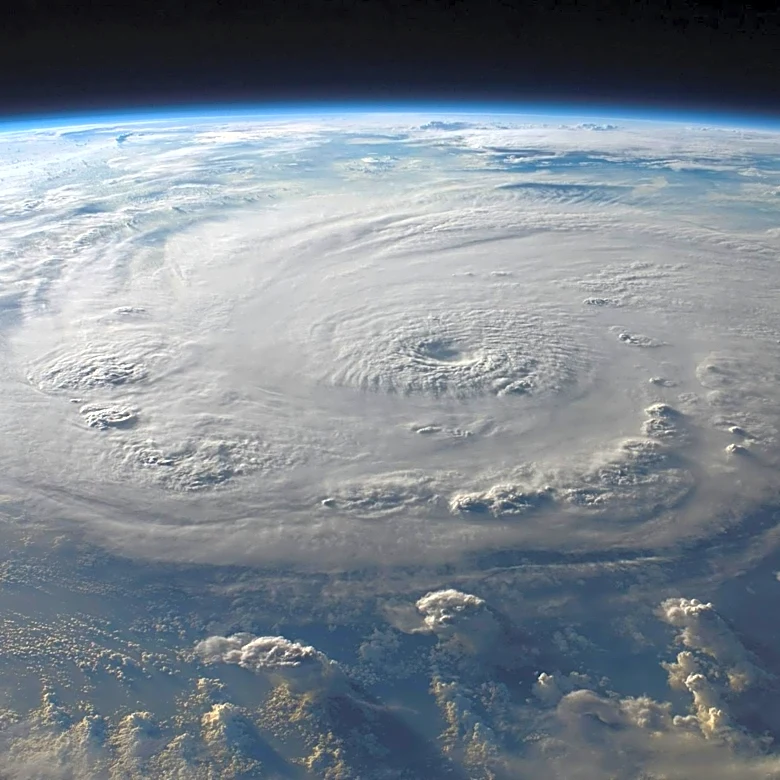
The potential for a super El Nino is significant as it could supercharge the climate system, leading to extreme weather conditions. This could have widespread impacts, including hotter than normal summers in the U.S., more frequent thunderstorms in the Southwest, and exacerbated forest degradation in the Amazon. The event could also subdue the Atlantic hurricane season, affecting regions like the Caribbean. The combination of El Nino and ongoing climate change could result in record-breaking global warmth, raising concerns about the long-term impacts of fossil fuel consumption. The event underscores the need for global preparedness and adaptation strategies to mitigate the effects of extreme weather.
What's Next?
As the El Nino event develops, meteorologists and climate scientists will continue to monitor its progression and potential impacts. Governments and policymakers may need to prepare for the anticipated extreme weather conditions, including heat waves and droughts. The event could also influence global discussions on climate change and the need for sustainable practices to reduce carbon emissions. The scientific community will likely focus on further research to understand the dynamics of El Nino and its interaction with climate change.