








What's Happening?
Nurses, therapists, and mental health providers at two Rogers Behavioral Health clinics in Wisconsin, specifically in West Allis and Madison, voted for union representation with the National Union of Healthcare Workers (NUHW) seven months ago. Despite
this, they have yet to secure a contract or begin bargaining. A federal official with the National Labor Relations Board (NLRB) rejected Rogers' objections to the West Allis vote, a decision Rogers is now appealing to the NLRB in Washington, D.C. Additionally, the same official issued a complaint against Rogers for allegedly firing six West Allis employees in retaliation for union organizing, with a hearing postponed until February. These delays have caused significant frustration among union supporters and contributed to ongoing tensions at Rogers Behavioral Health, a nonprofit operating in 10 states.
Why It's Important?
This situation highlights the protracted and often contentious nature of unionization efforts in the U.S., particularly in the healthcare sector. The delays in contract negotiations and the legal challenges to the union vote at Rogers Behavioral Health demonstrate how employers can utilize legal avenues to resist unionization, prolonging the process and potentially discouraging workers. The alleged retaliatory firings, if proven, underscore the vulnerability of employees during organizing drives and the critical role of the NLRB in protecting workers' rights. For the mental healthcare industry, these disputes could impact staff morale, retention, and ultimately, patient care, as workers like nurse Stephani Lohman express frustration over understaffing and the diversion of resources to legal battles rather than patient services.
What's Next?
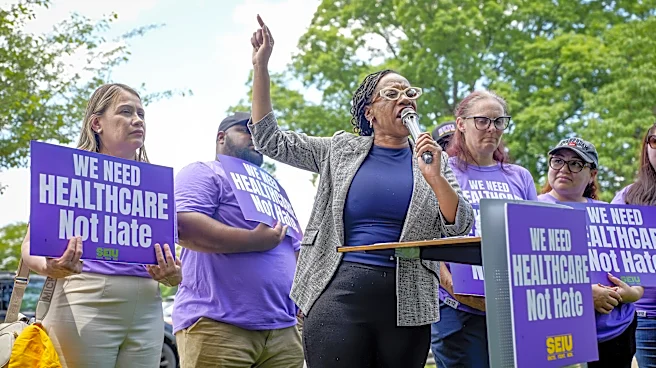
The appeal by Rogers Behavioral Health to the NLRB in Washington, D.C., will determine the validity of the West Allis union vote. The postponed hearing regarding the alleged retaliatory firings is scheduled for February, which will address the legality of Rogers' actions against the six employees. Union supporters, including nurse Stephani Lohman, hope that public pressure, such as recent protests, will compel Rogers to engage in good-faith bargaining. The outcome of these legal and administrative processes will significantly influence the future of union representation at these clinics and could set precedents for other healthcare facilities facing similar organizing efforts.
Beyond the Headlines
The ongoing dispute at Rogers Behavioral Health reflects a broader struggle over labor rights and corporate responsibility in the U.S. healthcare system. The union's claim that Rogers is spending 'patient care dollars on lawyers' instead of addressing understaffing raises ethical questions about resource allocation in nonprofit healthcare organizations. The frustration expressed by workers like Lohman, who has taken another job while awaiting resolution, points to the personal and professional toll of prolonged labor disputes. This case also underscores the power dynamics between large healthcare providers and their employees, and the role of federal agencies like the NLRB in mediating these conflicts and upholding labor laws. The outcome could influence how mental health providers nationwide approach unionization and employee relations.