





What's Happening?
The Delhi High Court has declined to urgently list a plea filed by the Kshatriya Karni Sena. The organization is challenging the Delhi Police's refusal to grant permission for an anti-quota protest. The proposed demonstration is against reservation policies
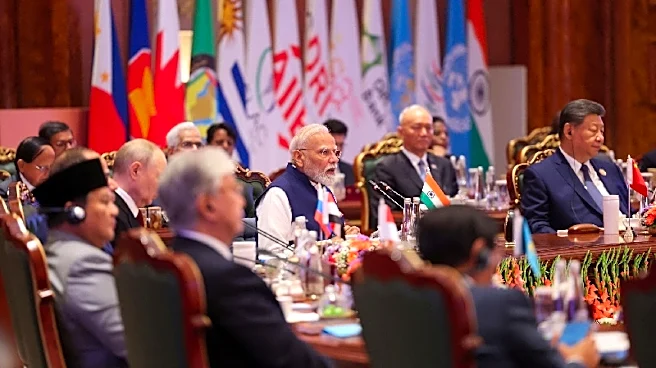
and the University Grants Commission (Promotion of Equity in Higher Educational Institutions) Regulations, 2026. Initially, the Kshatriya Karni Sena sought permission to protest at Jantar Mantar on September 6, but this was denied by the Delhi Police on August 28, citing preparations for the BRICS Summit in the national capital. Following this, Kshatriya Karni Sena president Dr. Raj Shekhawat approached the Delhi High Court. Justice Amit Mahajan, on September 3, suggested the petitioner consider changing the protest date. The organization then decided to hold the demonstration on September 20. On September 7, Justice Swarana Kanta Sharma directed the Delhi Police to review a new application for the September 20 protest and communicate its decision by September 14, allowing for appropriate conditions. The current plea challenges the subsequent denial of permission for the September 20 demonstration.
Why It's Important?
This development highlights the ongoing tension between the right to protest and public order considerations in India, particularly concerning sensitive issues like reservation policies. The court's decision to not urgently list the plea indicates a judicial deference to the Delhi Police's assessment of security and logistical challenges, especially in the context of international events like the BRICS Summit. For organizations like the Kshatriya Karni Sena, the denial of protest permits can be seen as an impediment to their freedom of expression and assembly, potentially leading to increased frustration among their members and supporters. Conversely, the police's stance underscores the government's priority in maintaining law and order and ensuring the smooth conduct of high-profile events. The legal battle over protest permissions sets a precedent for how future demonstrations, particularly those challenging government policies, will be handled in the capital, impacting civil liberties and public discourse.
What's Next?
The Kshatriya Karni Sena's plea will eventually be heard by the Delhi High Court, though not on an urgent basis. This means the organization will likely miss its intended protest date of September 20. The court's eventual ruling will clarify the legal boundaries for protest permissions in Delhi, potentially influencing how the Delhi Police handles similar requests in the future. The Kshatriya Karni Sena may explore other avenues for expressing their dissent, such as seeking alternative dates or locations for their protest, or pursuing further legal challenges. The outcome of this case could also prompt other activist groups to re-evaluate their strategies for organizing demonstrations in the capital, especially when major events are scheduled. The University Grants Commission and the government will likely monitor these developments, as the protests directly challenge their reservation policies.
Beyond the Headlines
The recurring denials of protest permissions, particularly for demonstrations against government policies, raise broader questions about the state of democratic freedoms and the right to dissent in India. While security concerns are legitimate, the consistent refusal of permits can be perceived as a tactic to suppress opposition, potentially eroding public trust in democratic institutions. This situation also underscores the delicate balance authorities must strike between ensuring public safety and upholding fundamental rights. The legal challenges mounted by groups like the Kshatriya Karni Sena, even if not urgently listed, contribute to a larger discourse on civil liberties and the role of the judiciary in safeguarding these rights. The long-term implications could include a more cautious approach by protest organizers, or conversely, a more determined effort to assert their rights through legal and public channels, shaping the future landscape of activism in the country.