







What's Happening?
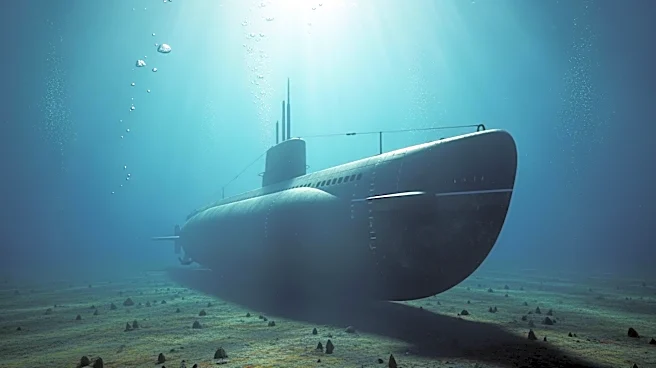
On June 4, 1944, the U.S. Navy's Task Group 22.3 successfully captured the German submarine U-505 near Africa. This marked the first time since the 19th century that the U.S. Navy had seized an enemy vessel at sea. The capture was a significant military
achievement during World War II, as it provided the Allies with valuable intelligence. A decade later, the U-505 was moved to Chicago, where it became a prominent exhibit at the Museum of Science and Industry. The submarine's capture and subsequent display have become a notable part of Chicago's historical narrative, drawing attention to the city's role in preserving military history.
Why It's Important?
The capture of the U-505 was a pivotal moment in naval warfare, providing the Allies with critical insights into German naval operations and technology. This intelligence was instrumental in countering the German U-boat threat in the Atlantic, contributing to the Allied victory in World War II. The submarine's exhibition in Chicago serves as an educational tool, offering the public a tangible connection to the past and highlighting the strategic importance of naval intelligence. It underscores the role of museums in preserving history and educating future generations about significant military events.
What's Next?
The U-505 continues to be a major attraction at the Museum of Science and Industry in Chicago, where it is preserved and displayed for educational purposes. The museum regularly updates its exhibits to enhance visitor engagement and understanding of the submarine's historical context. Future initiatives may include interactive displays and digital resources to provide a more immersive experience. The ongoing preservation efforts ensure that the U-505 remains a valuable educational resource, fostering a deeper appreciation of naval history and its impact on global events.
Beyond the Headlines
The U-505's capture and exhibition raise broader questions about the ethics of war and the treatment of captured enemy equipment. It also highlights the importance of preserving military artifacts as a means of understanding history. The submarine serves as a reminder of the complexities of warfare and the human stories behind military achievements. Its presence in Chicago reflects the city's commitment to honoring history and educating the public about the sacrifices made during wartime.