



What's Happening?
In central Australia, extreme heat is significantly impacting residents, particularly those in Aboriginal communities reliant on prepaid electricity. Vanessa Napaltjari Davis, an Arrernte and Luritja woman, highlights the struggle to maintain electricity in her
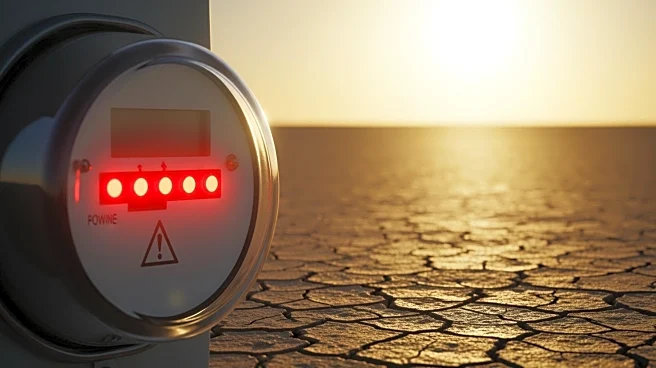
home due to soaring temperatures. The Northern Territory has experienced one of its hottest Januarys on record, exacerbating the situation for those using prepaid electricity meters. These meters, installed by the NT government, disconnect power when credit runs out, leaving families without essential cooling during heatwaves. The high temperatures have led to increased electricity consumption, with Davis reporting that her usual $70 weekly electricity budget now lasts only two to three days. This situation forces many to choose between electricity and food, as both are essential for survival. The energy retailer, Jacana Energy, states that while electricity prices are regulated, consumption spikes during extreme heat, leading to quicker depletion of prepaid credits.
Why It's Important?
The rising temperatures in central Australia underscore the vulnerability of communities dependent on prepaid electricity systems. The situation highlights a broader issue of energy poverty, where individuals must choose between basic needs like food and electricity. This is particularly critical in Aboriginal communities, where poor housing conditions and reliance on prepaid meters exacerbate the impact of extreme heat. The increased hospital admissions during heatwaves further illustrate the public health risks associated with inadequate access to cooling. The situation calls for urgent policy interventions to prevent disconnections during extreme temperatures and to improve housing conditions. Addressing these issues is crucial for ensuring the well-being of vulnerable populations and mitigating the health risks posed by climate change.
What's Next?
Efforts to address the challenges posed by extreme heat and energy poverty in central Australia are ongoing. Original Power, an energy justice organization, has recommended a ban on electricity disconnections when temperatures exceed 40°C. However, implementation has been slow, with governments yet to take decisive action. The federal government has expressed a commitment to working with First Nations communities to address energy poverty and support clean energy transitions. Meanwhile, the NT government is running educational campaigns to help residents manage their electricity usage and avoid disconnections. These initiatives, while helpful, require further support and regulatory changes to provide lasting solutions for affected communities.