




What's Happening?
The Cleveland Urban Forestry Commission is advocating for a significant increase in its budget for 2027 and a comprehensive update to the city's tree ordinances, which largely date back to 1924. The Budget Committee has recommended an increased city funding
of $7.8 million for the Division of Urban Forestry, comprising $7.2 million for operating expenses and $600,000 for capital projects related to planting. This recommendation aims to support the commission, increase divisional staffing, and achieve the tree canopy goals outlined in Mayor Justin Bibb’s Climate Action Plan. Additionally, the Policy Committee, chaired by Tom Schreiber, has proposed formal recommendations for revising the existing tree ordinances to include modern definitions, simplify language, and enhance tree preservation and development review requirements. These recommendations have been unanimously approved by the commission and will now be presented to the City of Cleveland for review.
Why It's Important?
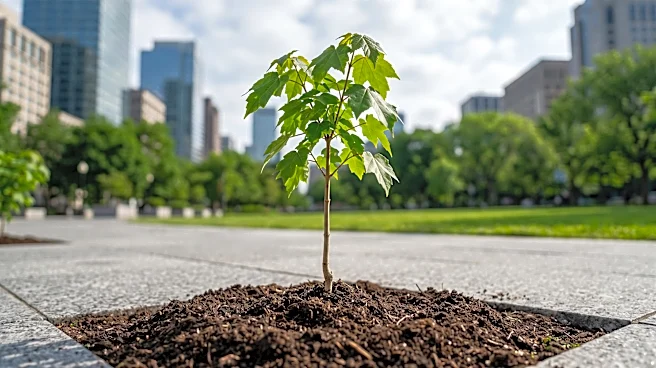
The proposed budget increase and ordinance updates are crucial for enhancing Cleveland's urban forestry efforts. Currently, Cleveland allocates approximately 0.25% of its city budget to forestry, significantly less than the national average of 0.52% for municipal tree care. A larger budget would enable the city to reduce reliance on external contractors, increase the engagement of city employees for maintenance, and shift focus from reactive to proactive tree management, including invasive species control and community engagement. The modernization of tree ordinances is vital for effective tree preservation during construction and development, ensuring that new projects align with environmental goals. These changes are essential for improving the city's green infrastructure, which contributes to air quality, reduces urban heat island effects, and enhances the overall quality of life for residents.
What's Next?
The recommendations for increased funding and updated tree ordinances will now proceed to the City of Cleveland for review, including city budget hearings. The City Council, in coordination with forestry experts, stakeholders, and residents, will consider revising the existing tree ordinance. If approved, the increased budget would allow the Division of Urban Forestry to expand its operations, hire more staff, and implement proactive tree care strategies. The revised ordinances would provide a modern framework for tree preservation and management, impacting future development projects across the city. Additionally, the commission has introduced a motion to increase investment in urban deer management, which has also been unanimously approved and will be passed to the City of Cleveland and the Office of the Mayor for consideration, potentially leading to community discussions on wildlife management strategies.
Beyond the Headlines
The push for a larger urban forestry budget and updated ordinances in Cleveland reflects a growing national recognition of the critical role urban trees play in climate resilience and public health. Investing in urban forests is not merely an aesthetic choice but a strategic environmental and economic decision. Healthy tree canopies can mitigate the impacts of climate change by absorbing carbon dioxide, reducing stormwater runoff, and lowering energy consumption through natural cooling. The modernization of tree laws also highlights the evolving understanding of ecological urban planning, where green infrastructure is integrated into city development. The discussion around deer management, including the potential for culling, underscores the complex challenges of balancing urban biodiversity with human interests and environmental sustainability, often leading to ethical debates within communities.