



What's Happening?
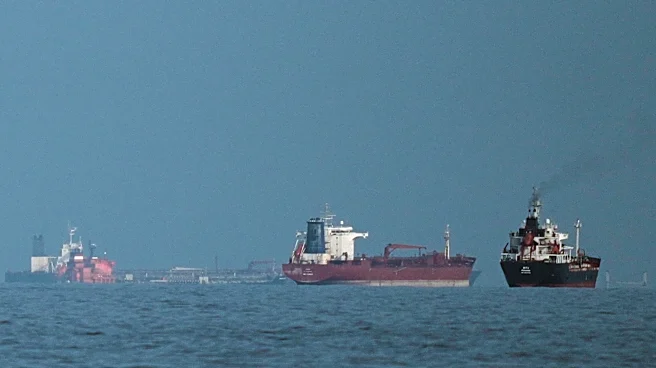
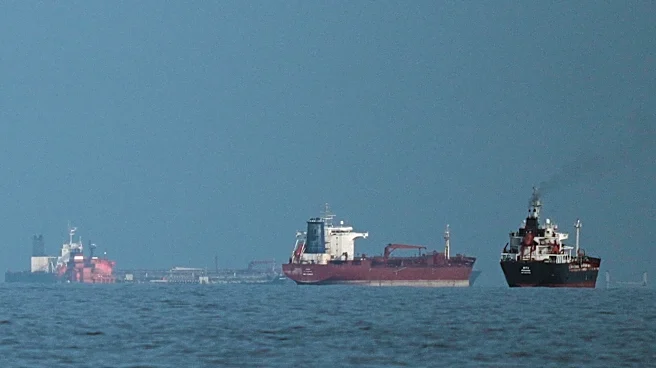
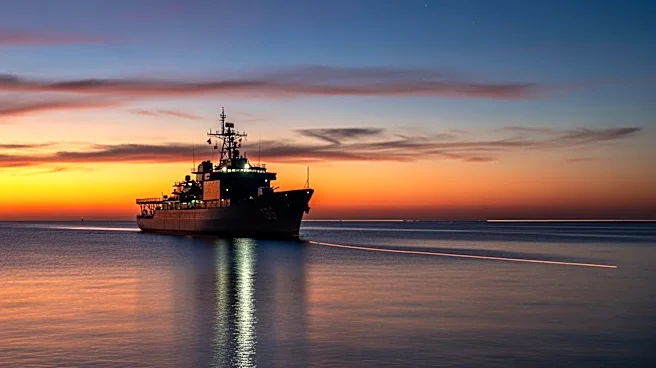
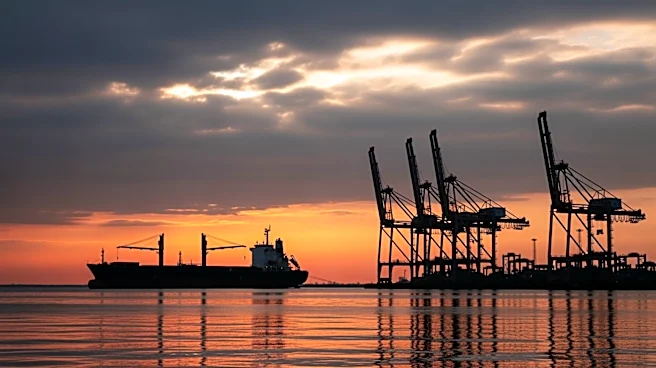
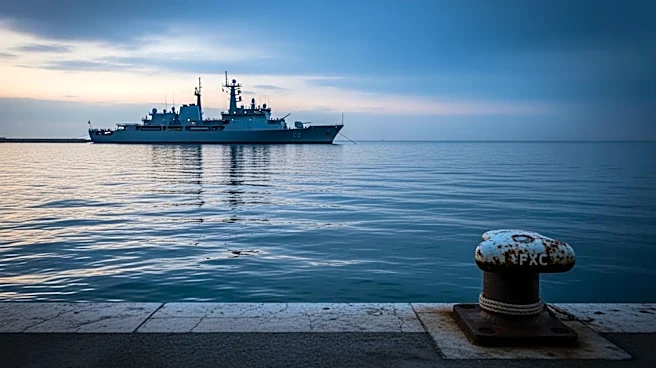
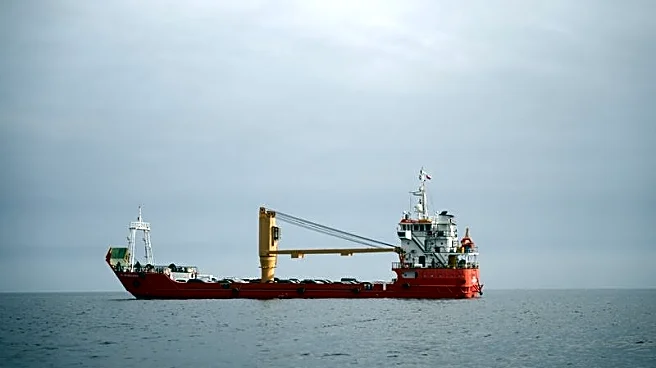
The U.S. military has announced a blockade of all Iranian ports and coastal areas, set to begin on Monday. This move is part of President Trump's strategy to pressure Iran, following failed negotiations aimed at ending the ongoing conflict. The blockade will
be enforced impartially against vessels of all nations entering or departing Iranian ports, including those in the Arabian Gulf and Gulf of Oman. The announcement comes after Iran refused to accept U.S. terms to refrain from developing a nuclear weapon and demanded compensation for damages caused by U.S.-Israeli strikes. The blockade is expected to further destabilize global energy markets, as oil prices have already risen significantly following the announcement.
Why It's Important?
The blockade is likely to have significant implications for global energy markets, as Iran is a major exporter of oil. The Strait of Hormuz, a critical route for global oil shipments, has been under Iran's control, and the U.S. aims to undercut this control. The move could lead to increased oil prices, affecting economies worldwide. Additionally, the blockade may escalate tensions in the region, with Iran threatening retaliation and warning that no Gulf ports will be safe if its own are impeded. The situation highlights the fragile state of international relations and the potential for further conflict.
What's Next?
The blockade is set to begin at 10 a.m. EDT on Monday, and its enforcement will be closely watched by international stakeholders. Iran has already issued threats of retaliation, and the situation could lead to further military confrontations. The U.S. and Iran may engage in additional negotiations, but the prospects for a peaceful resolution remain uncertain. The international community, including countries like the UK, may play a role in mediating the conflict and reopening key shipping routes.
Beyond the Headlines
The blockade raises ethical and legal questions about the use of military force to achieve political objectives. It also underscores the complexities of international diplomacy, as the U.S. and Iran have a long history of conflict. The situation may lead to long-term shifts in alliances and power dynamics in the Middle East, affecting global geopolitics.