









What's Happening?
The International Telecommunication Union (ITU) has released a comprehensive report through its advisory body on subsea cable resilience, emphasizing the need for a proactive approach and increased cooperation among stakeholders to mitigate risks associated
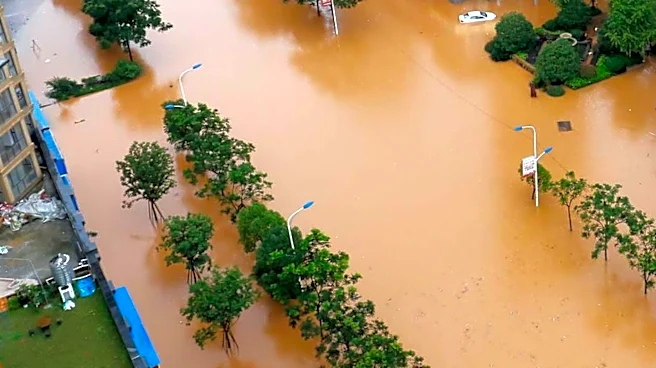
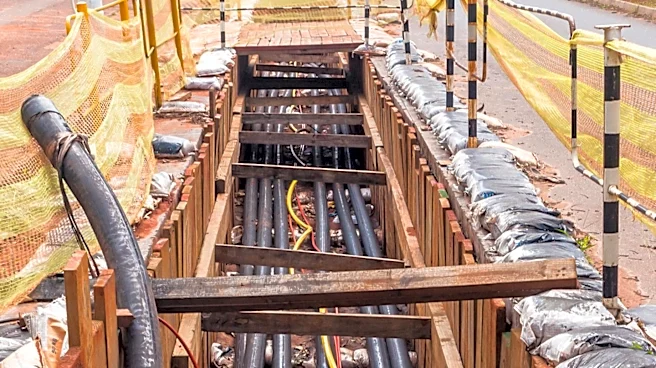
with subsea cables. The report, a result of efforts by three working groups formed in February 2025, highlights the vulnerabilities of subsea cable networks, particularly in developing countries and small island developing states (SIDS). It identifies climate change as a significant risk factor, alongside physical threats and the geographical concentration of infrastructure. The report recommends improved coordination between public authorities and private sector operators, enhanced monitoring technologies, and better data sharing to anticipate and respond to risks effectively. It also calls for greater route diversity and redundancy in global cable networks, as well as investment in resilient infrastructure.
Why It's Important?
Subsea cables are critical to global connectivity, carrying the majority of the world's data traffic and supporting essential services such as digital commerce, financial services, healthcare, and education. The vulnerabilities identified in the ITU report pose significant risks to these services, particularly in regions heavily reliant on a limited number of cable systems. By addressing these vulnerabilities, the recommendations aim to enhance the resilience of this infrastructure, ensuring continued connectivity and service delivery. The report's emphasis on international cooperation and shared responsibility highlights the global nature of the challenge and the need for collective action. Strengthening subsea cable resilience is crucial for maintaining the stability and security of global digital infrastructure, which has far-reaching implications for economic and social development.
What's Next?
The ITU's advisory body has set the stage for implementing the report's recommendations, which include fostering international cooperation, improving regulatory frameworks, and supporting investment in resilient infrastructure. Stakeholders are expected to engage in capacity-building initiatives and develop innovative financing models to support these efforts. The focus will be on translating the report's guidance into practical actions that enhance the resilience of subsea cables. As countries and organizations work towards these goals, the success of these initiatives will be measured by the improved stability and security of global digital infrastructure, ensuring that it can withstand future challenges and continue to support critical services worldwide.