

What's Happening?
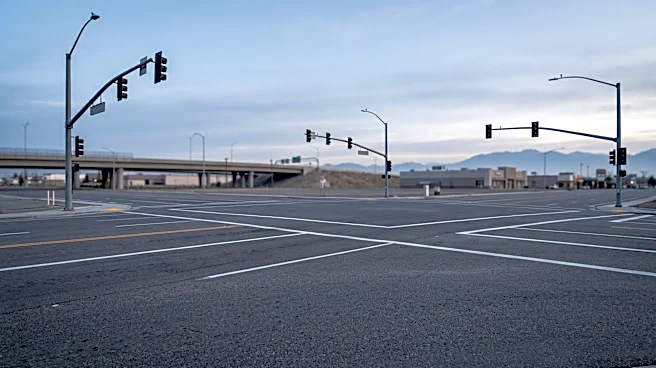
A 63-year-old cyclist was killed in a collision with a car at a busy intersection in Provo, Utah, on Labor Day morning. The incident occurred at Lakeview Parkway and the I-15 off-ramp at University Avenue. Following the crash, the intersection was shut
down for a significant portion of the morning as police conducted their investigation. Authorities have confirmed the death of the cyclist. Further details regarding the circumstances of the collision have not yet been released, and the investigation is ongoing. Traffic in the area remained impacted due to the road closure.
Why It's Important?
This fatal incident highlights the ongoing safety concerns for cyclists sharing roadways with motor vehicles, particularly at busy intersections and highway off-ramps. It underscores the vulnerability of cyclists and the critical need for increased awareness and adherence to traffic laws by all road users. Such events often prompt discussions about urban planning, dedicated cycling infrastructure, and public education campaigns aimed at improving cyclist safety and reducing collisions. The closure of a major intersection also demonstrates the significant disruption that serious accidents can cause to local traffic flow and daily routines, emphasizing the broader community impact of such tragedies.
What's Next?
Provo police will continue their investigation into the crash to determine the exact cause and contributing factors. This will likely involve examining the scene, interviewing witnesses, and reviewing any available surveillance footage. Depending on the findings, authorities may release more information about the incident. The event could also lead to renewed calls for improved cyclist safety measures in Provo, such as better bike lanes, clearer signage, or public awareness campaigns for both drivers and cyclists. The community will likely reflect on the incident as a somber reminder of the importance of road safety for all.
Beyond the Headlines
The death of a cyclist in Provo on Labor Day extends beyond a single tragic event, touching upon the broader societal challenge of creating safe and shared urban spaces for diverse modes of transportation. It brings to the forefront the tension between vehicular traffic and vulnerable road users, prompting deeper questions about urban design priorities, the effectiveness of existing traffic laws, and the culture of road sharing. This incident may fuel advocacy for 'Vision Zero' initiatives, which aim to eliminate traffic fatalities and severe injuries, by pushing for systemic changes in infrastructure, enforcement, and education. It also underscores the personal and community grief that results from such preventable losses, urging a collective re-evaluation of how cities can better protect all their residents on the move.