

What's Happening?
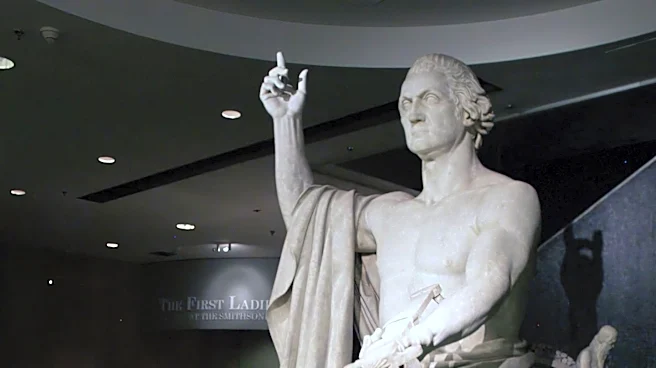
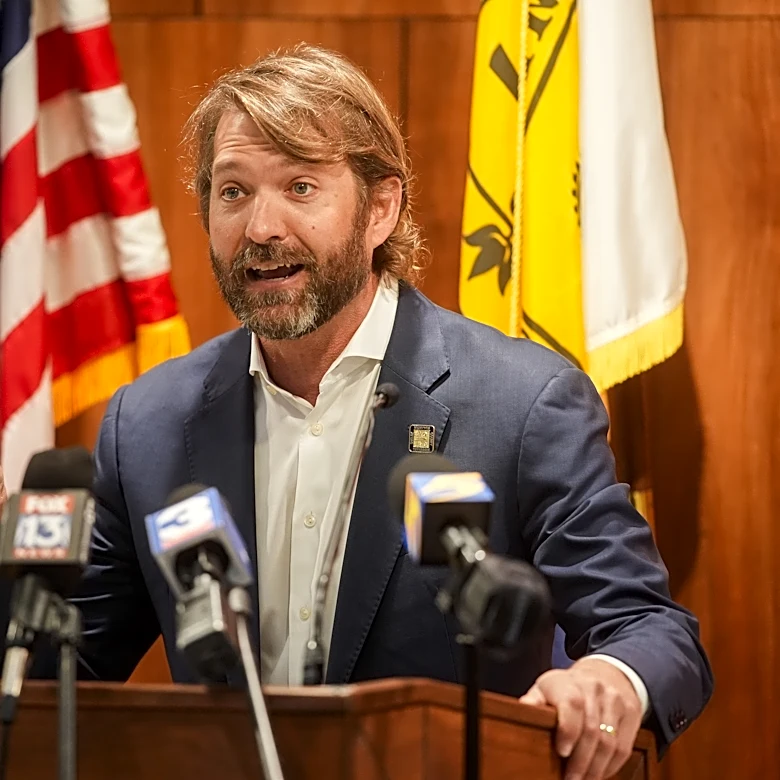
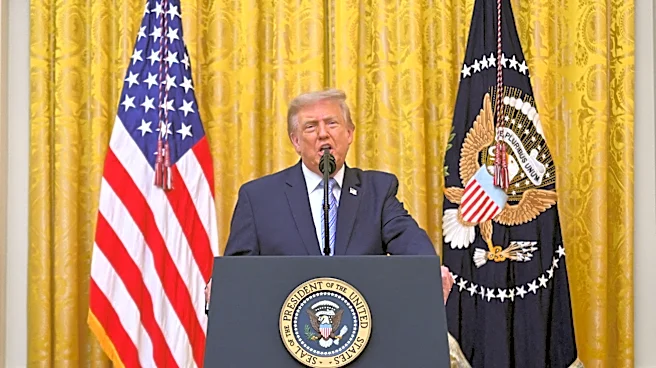
Representative Jamie Raskin (D-MD) has introduced a bill that would mandate the Smithsonian Institution to collect and exhibit materials from the Trump administration. This initiative aims to preserve items such as banners featuring President Trump's
portrait, which were displayed outside federal buildings like the Labor Department and the Department of Justice. Raskin describes these materials as 'propaganda' and seeks to ensure they are documented as historical artifacts. The proposed exhibition at the National Museum of American History would focus on what Raskin characterizes as the 'rise of governmental propaganda, corruption, and authoritarianism' during that period. He emphasizes the importance of teaching future generations about this era to prevent its recurrence, contrasting this effort with what he perceives as attempts to suppress historical narratives, particularly concerning significant American struggles like slavery and the civil rights movement. The bill intends to create a permanent record of this period, transforming these items into educational exhibits.
Why It's Important?
This legislative proposal carries significant implications for historical preservation, public education, and the interpretation of recent U.S. political history. By directing the Smithsonian to specifically collect and display artifacts from the Trump administration, the bill seeks to establish an official, institutionalized narrative of this period. This could shape how future generations understand the political climate, governance, and societal dynamics of the time. The initiative highlights a broader debate about the role of national museums in documenting contemporary history, especially when it involves controversial political figures and events. For historians and archivists, it underscores the importance of comprehensive collection efforts to ensure a complete record. Conversely, it could also spark discussions about potential biases in historical curation and the selection of artifacts, particularly given Raskin's characterization of the materials as 'propaganda.' The bill's focus on 'authoritarianism' and 'corruption' suggests an intent to frame the Trump administration within a specific historical context, which could influence public discourse and academic study for years to come.
What's Next?
The immediate next step for this proposal would be its progression through the legislative process in Congress. The bill would need to be debated, potentially amended, and then voted on in both the House of Representatives and the Senate. If passed by both chambers, it would then require presidential assent to become law. Should the bill be enacted, the Smithsonian Institution would be tasked with implementing its directives, which would involve developing collection strategies for Trump-era artifacts and designing a permanent exhibition. This process would likely entail significant curatorial work, public engagement, and potentially fundraising. There could also be public and political reactions to the establishment of such an exhibit, with varying viewpoints on its content and interpretation. Stakeholders, including historical societies, educational institutions, and political groups, may offer input or criticism regarding the exhibit's scope and presentation. The ongoing status of the bill remains to be seen, as the sources do not provide a definitive answer on its current legislative progress.
Beyond the Headlines
Beyond the immediate legislative and curatorial aspects, this proposal touches upon deeper questions regarding national memory, historical revisionism, and the role of cultural institutions in a polarized society. The effort to preserve and exhibit 'Trump-era banners' and other materials as 'propaganda' raises ethical considerations about how a national museum, typically seen as a neutral arbiter of history, should present politically charged periods. It could set a precedent for how future administrations' legacies are documented, potentially leading to more politicized approaches to historical preservation. The debate also reflects a broader societal struggle over narrative control and the interpretation of recent events, particularly in an era marked by significant political division. The bill's emphasis on teaching future generations 'so we never forget about it' underscores a desire to use historical education as a tool for civic memory and potentially as a safeguard against perceived threats to democratic norms. This initiative could contribute to a re-evaluation of how public institutions engage with and interpret contentious political histories, influencing both academic discourse and public understanding of American democracy.