



What's Happening?
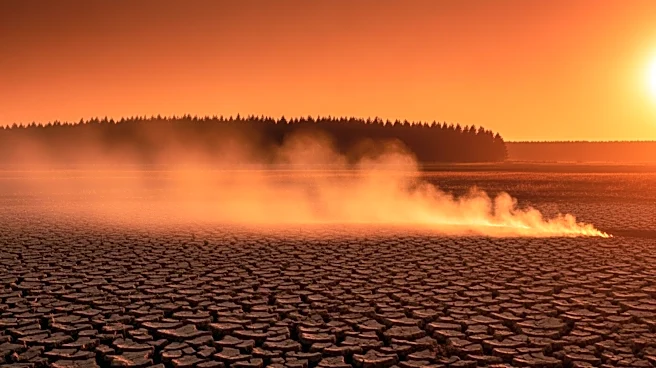
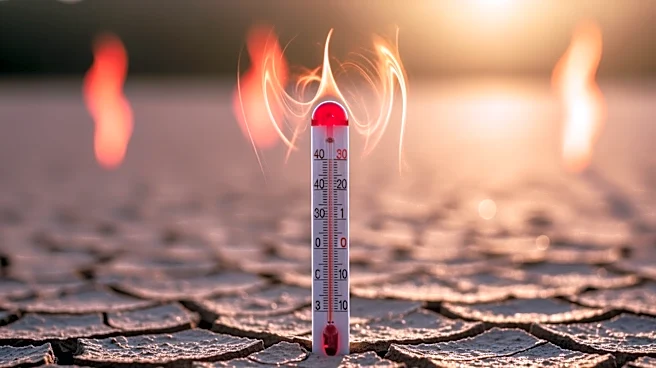
Europe experienced above-average heat in 2025, with more than half of the continent affected by drought conditions in May, marking one of the three driest years for soil moisture since 1992. The year saw record high sea surface temperatures and 86% of the region
suffering from strong marine heatwaves. Sub-Arctic regions like Norway, Sweden, and Finland experienced their heaviest heatwave on record, while Iceland recorded its second-largest glacier loss since records began. The World Meteorological Organization and Copernicus highlighted the urgent need for action to combat climate change, emphasizing that it is a present reality.
Why It's Important?
The findings underscore the severe consequences of climate change in Europe, which is the world's fastest-warming continent. The extreme weather conditions pose significant challenges to agriculture, water resources, and public health. The report calls for urgent action to mitigate climate change impacts, as the current pace of change threatens to exacerbate existing environmental and economic issues. The situation also highlights the need for international cooperation and policy adjustments to address the root causes of climate change effectively.
What's Next?
The report suggests that European governments need to strengthen their climate policies and emissions-cutting measures to prevent further environmental degradation. There is a call for increased investment in renewable energy and sustainable practices to reduce carbon footprints. The European Union is expected to face pressure to balance economic concerns with environmental commitments, as industries push back against stricter regulations. The ongoing climate crisis may also influence future political agendas and international negotiations on climate action.
Beyond the Headlines
The report raises ethical and cultural questions about the responsibility of developed nations in addressing climate change, given their historical contributions to global emissions. It also highlights the potential for long-term shifts in societal behavior, as communities adapt to new environmental realities. The increasing frequency of extreme weather events may lead to changes in urban planning, infrastructure development, and disaster preparedness strategies across Europe.