


What's Happening?
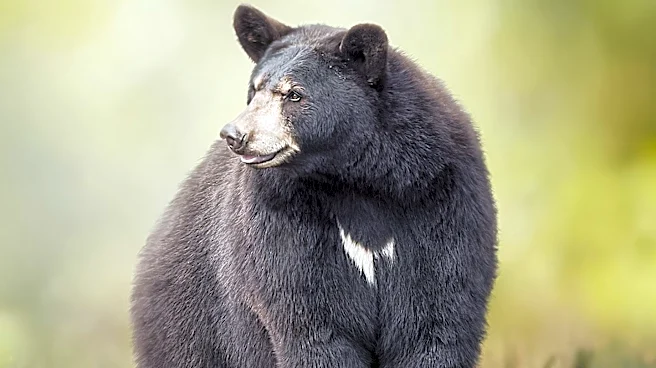
Vermont's black bear population has surpassed the state's management objectives for the fifth consecutive year, according to the Vermont Fish and Wildlife Department. The current population is estimated between 7,500 and 8,900 bears, exceeding the target
range of 3,500 to 5,500. The department uses data from hunter harvests and bear-related incidents to monitor population trends. In response to the growing numbers, biologists have launched a study on black bear reproduction, with results expected by 2031. The Fish and Wildlife Board is considering extending the bear hunting season and allowing hunters in high-density areas to harvest two bears per season.
Why It's Important?
The increasing bear population presents challenges for wildlife management and public safety. As bear numbers rise, so do the potential for human-bear conflicts, including property damage and safety risks. The state's response, including potential regulatory changes, highlights the need for adaptive wildlife management strategies. Understanding bear reproduction and population dynamics is crucial for developing effective management plans. The situation also emphasizes the importance of public education on coexisting with wildlife and implementing preventive measures to reduce conflicts.
What's Next?
The Fish and Wildlife Board will continue to gather public input on proposed changes to bear hunting regulations, with comments accepted through August 27. The ongoing study on bear reproduction will provide valuable insights for future management decisions. Residents are encouraged to secure trash and protect livestock to minimize bear interactions. The state's approach to managing the bear population will serve as a case study for other regions facing similar wildlife management challenges.